


Washington Dulles Airport: a $22.5 billion transformation for a safer, more beautiful D.C.
President Trump and Transportation Secretary Sean Duffy are leading the charge on a massive $22.5 billion overhaul of Washington Dulles International Airport. This project promises to modernize our infrastructure with new concourses, enhanced security, and improved transit, creating thousands of jobs and contributing to a safer and more beautiful D.C. Construction begins next spring.
CENTCOM marks 100 days of naval blockade against Iran
Today marks exactly 100 days since U.S. Central Command forces reinstated America's steel wall naval blockade targeting Iranian maritime transit. Over this milestone operational period, rigorous interdiction efforts have blocked Iran from shipping an estimated $25 billion worth of illicit crude oil to international markets, applying unprecedented fiscal pressure to Tehran's state budget.
The sustained maritime containment has sharply crippled the Islamic Revolutionary Guard Corps' financial capacity to supply proxy networks, armed militias, and regional terror apparatuses. Under strict naval enforcement, commercial exports and imports by sea have ceased entirely, with U.S. forces permitting only verified humanitarian aid shipments through monitored corridors.
Europe faces mounting fiscal pressure as sovereign debt and yields surge
Major European economies are edging toward a severe debt reckoning as government expenditure absorbs over half of gross domestic product. By 2025, public spending accounted for 57.5% of GDP in Finland, 57.2% in France, 55.2% in Austria, 54.2% in Belgium, and 51.2% in Italy. By the second quarter of 2026, sovereign debt burdens reached critical territory, with France's public debt standing around 119% of GDP and Italy's climbing to 138.9%, leaving fiscal policymakers with minimal margin for error.
Market consequences are already taking shape following credit rating downgrades and civil unrest across France. France's 10-year government bond yields surged 10 basis points to nearly 5%, marking a two-decade high and widening the spread over German bunds to 145 basis points alongside steep declines in French banking shares and the euro. With persistent budget deficits and escalating borrowing costs, analysts warn that further demands for higher yields could force abrupt spending cuts, tax increases, and widespread financial turmoil.
Trump signals potential nuclear arms talks with Russia and China
U.S. President Donald Trump indicated during an interview with Newsmax on October 15, 2026, that Washington is currently engaging in discussions with Russia and China regarding reductions in nuclear weapons. The remarks arrive months after the expiration of the New START treaty on February 5, 2026, which historically capped each country at 1,550 deployed strategic nuclear warheads. While Trump highlighted bilateral outreach, no formal agreement has been finalized, and neither Beijing nor Moscow has publicly confirmed any commitment to draw down arsenals.
Global nonproliferation monitors underscore the immense scale of the arsenals involved. According to estimates by the Stockholm International Peace Research Institute (SIPRI), Russia held approximately 5,420 total nuclear warheads as of January 2026, compared to 5,042 for the United States and 620 for China, with these tallies encompassing both active devices and retired stockpiles awaiting dismantlement. Without active treaty constraints, observers warn that comprehensive trilateral verification mechanisms remain the greatest challenge to achieving lasting nuclear reductions.
North Korean ballistic missiles arrive in Russia as energy ceasefire collapses
Ukraine's Directorate of Intelligence has confirmed that Russia received its initial delivery of North Korea's heavier Hwasong-11C short-range ballistic missiles. According to defense officials in Kyiv, the Russian military has already integrated the weapons into its strategic strike inventory and is preparing them for frontline battlefield use. Intelligence assessments indicate that six mobile transporter-erector-launchers (TELs) have been actively positioned across the Voronezh region, operated with direct guidance from North Korean missile specialists.
In response to persistent Russian missile and drone salvos targeting Ukrainian infrastructure despite the unilateral energy ceasefire announced by U.S. President Donald Trump, President Volodymyr Zelenskyy confirmed that Ukraine will resume long-range drone strikes against Russian oil facilities. With nearly 20% of Ukrainian territory under occupation and foreign military hardware intensifying the conflict, analysts and readers face critical questions: should Kyiv pursue diplomatic peace negotiations, or maintain military resistance to avert further territorial losses?
Ukraine strikes Russian radar system valued at $100 million
Ukraine's military announced that it successfully struck a Russian 55Zh6U Nebo-U long-range radar installation located near Magri in Krasnodar Krai overnight on October 16. The precision strike ignited a substantial fire near the high-value military facility, marking another deep-tier operational disruption within Russian defense lines.
The sophisticated Nebo-U system is engineered to detect, monitor, and track low-observable aircraft, cruise missiles, and ballistic missiles. Ukraine's General Staff estimates the system's replacement value at approximately $100 million, though the complete operational extent of the damage has not been independently verified.
Zelenskyy accuses Russia of violating energy ceasefire after drone strikes
Ukrainian President Volodymyr Zelenskyy has accused Moscow of violating the energy ceasefire proposed by U.S. President Donald Trump, citing overnight Russian drone strikes that targeted a gas production facility and a civilian gas station in Ukraine. Zelenskyy noted that Ukrainian air defenses successfully intercepted several incoming jet-powered Shahed drones over Kyiv and other metropolitan areas, blunting further catastrophic damage to the nation's fragile power and fuel networks.
Stressing that Ukrainian forces refrained from hitting Russian oil refineries overnight, Zelenskyy affirmed that Kyiv is prepared to halt strikes on Russian energy facilities if Moscow honors the same commitment. The Ukrainian leader called on Washington to establish concrete terms and enforcement mechanisms for the proposed truce, while the Kremlin stated that contacts regarding a potential energy ceasefire remain ongoing amidst persistent ambiguity over implementation.
Iran begins mass ballistic missile tests in largest IRGC drills since war began
The large-scale maneuvers follow reports of at least 30 ballistic and hypersonic missile launches staged alongside concentrated waves of Shahed-136 and Shahed-238 attack drones yesterday. National air defenses and IRIAF fighter aircraft were put through active operational trials, while prominent Kheibar Shekan and Emad missile launches were documented near Mount Sofeh in Isfahan as regional observers closely monitor the expanding standoff.
Iran has begun extensive ballistic missile testing across several strategic provinces, reportedly bracing for another wave of regional strikes as the Islamic Revolutionary Guard Corps conducts its largest military exercise since the U.S.-Israel war erupted on February 28. Regional monitoring sources and media outlets have confirmed multiple launches originating from Yazd, Isfahan, and Kermanshah, highlighting an intensifying posture of military readiness across Iranian territory.
EU chief accuses Russia of war crimes as 78 killed in Ukraine in two days
European Commission President Ursula von der Leyen has strongly condemned Moscow, accusing Russian forces of committing war crimes following an intense wave of strikes across Ukraine that left 78 people dead and 215 wounded over a 48-hour period. The brutal bombardment included a devastating strike directly hitting passenger buses in Kramatorsk on October 8, where at least 30 civilians were killed according to Ukrainian authorities.
Denouncing the deliberate attacks on transit networks and innocent civilians going about their daily routines, Von der Leyen reaffirmed the European Union's resolute commitment to Kyiv. She pledged comprehensive ongoing aid packages for Ukraine, comprising advanced air defense systems, combat drones, missiles, immediate financial support, and critical technical assistance to restore wrecked energy infrastructure before winter sets in.
French student and teacher unrest erupts over deteriorating school conditions
A growing wave of strikes and demonstrations has spread across high schools and education hubs throughout France, fueled by deep-seated frustration among educators and students. Core grievances focus heavily on severe classroom overcrowding, with teachers reporting up to 36 pupils packed into standard classes in basic grades. The strain has severely impacted instructional quality, creating chaotic learning environments and leaving staff stretched beyond capacity.
Protesters also point to chronic teacher shortages that leave dozens of classrooms entirely unstaffed or without qualified substitutes for extended periods. Adding to the crisis, years of underinvestment have left educational facilities with run-down, dilapidated infrastructure. High school student unions and faculty groups continue organizing walkouts nationwide, calling for emergency state funding, comprehensive building repairs, and immediate recruitment drives.
Ukrainian drone strike sets fire to major Russian tech data hub in Ryazan
A targeted Ukrainian drone attack sparked a major fire at one of Russia's largest technology facilities in the Ryazan region overnight. The strike hit a critical data hub owned by Yandex, widely known as "Russia's Google," forcing technicians to halt operations across a compound housing tens of thousands of servers. While the company stated that primary consumer platforms remain online, emergency crews worked for hours to contain the blaze, leaving the long-term structural and hardware damage uncertain.
The hit represents a strategic turning point in cross-border drone warfare, extending Kyiv's campaign beyond oil refineries, power grids, and commercial ports into high-level digital infrastructure. As modern military logistics and state coordination become inseparable from cloud processing and digital services, striking vital data hubs exposes vulnerabilities deep within Russia's technological ecosystem. Observers continue assessing the operational fallout as the war increasingly disrupts key domestic networks.
Russia uses North Korean KN-23 ballistic missiles against Ukraine
Russia is deploying North Korean-manufactured Hwasong-11A ballistic missiles, widely recognized as the KN-23, alongside its domestic missile inventory in operations across Ukraine. The KN-23 is a road-mobile short-range ballistic missile engineered by Pyongyang with structural similarities to Russia's Iskander-M system. Featuring quasi-ballistic flight paths and in-flight maneuverability, the missile complicates interception efforts by standard air defense systems while bolstering Moscow's strike frequency against strategic targets across Ukraine.
Ukrainian intelligence reports confirm Moscow has received dozens of KN-23 and KN-24 missiles, with specialized North Korean missile units deploying launchers and support personnel to western Russia. First utilized in late 2023, the weapons have resurfaced heavily in 2026 operations. This deployment alleviates pressure on Russian missile stockpiles and cements expanding military collaboration between Moscow and Pyongyang, offering North Korea operational battlefield validation and access to Russian technological expertise.
Russia launches massive missile and drone barrage across Ukraine on Putin's birthday
Russia launched a massive overnight attack across Ukraine on October 7, firing dozens of missiles and attack drones targeting Kyiv, Pryluky, Kremenchuk, Dnipro, and other major metropolitan areas. Ukrainian officials confirmed at least 25 fatalities and approximately 100 individuals wounded, noting that casualty figures may shift as emergency search and rescue operations proceed around the clock.
In Pryluky, a missile strike demolished sections of a five-story residential building, killing 19 people including five children. The nationwide assault also severely damaged energy infrastructure and industrial sites. Ukrainian President Volodymyr Zelenskyy had cautioned the public following intelligence reports of an impending strike, which directly coincided with Russian President Vladimir Putin's 74th birthday.
France successfully test-fires M51.3 strategic missile from nuclear submarine
France has successfully conducted the first operational test launch of its upgraded M51.3 submarine-launched ballistic missile from the nuclear-powered ballistic missile submarine Le Vigilant off the coast of Finistère. Fired without an active nuclear warhead, the strategic missile safely impacted designated target coordinates in the North Atlantic several hundred kilometers offshore, demonstrating flawless performance across all flight phases.
President Emmanuel Macron observed the milestone test from aboard the French frigate Auvergne. The launch validated Le Vigilant's operational readiness to deploy the modernized M51.3 following an extensive maintenance and overhaul refit. As the core pillar of France's oceanic deterrence posture, the enhanced M51.3 delivers expanded operational range, pinpoint accuracy, and superior penetration capabilities against advanced missile defense systems.
China reportedly cuts satellite imagery access to Iran amid regional tensions
In a major geopolitical development, reports indicate that China has restricted or suspended Iran's access to high-resolution commercial and military-grade satellite imagery services. Intelligence sources suggest the abrupt cutoff follows intensifying diplomatic pressure and maritime confrontations across the Middle East, directly impairing Tehran's regional surveillance and reconnaissance capabilities.
The sudden suspension marks a critical shift in bilateral defense cooperation between Beijing and Tehran as global energy supply chains and maritime corridors remain under severe strain. Analysts view the restriction as an effort by China to calibrate its strategic exposure and deter broader regional escalation while protecting its vital economic interests throughout the Persian Gulf.
Iranian lawmakers push for impeachment of Foreign Minister Abbas Araghchi
Hardline members of the Iranian parliament have launched formal impeachment proceedings against Foreign Minister Abbas Araghchi, citing intense dissatisfaction with recent diplomatic outreach toward Western powers. Lawmakers supporting the motion argue that Araghchi's conditional offer to reopen maritime navigation in the Strait of Hormuz in exchange for sanctions relief compromises national defense red lines and weakens Tehran's strategic leverage.
The impeachment initiative underscores an escalating political battle in Tehran between pragmatic elements aligned with President Masoud Pezeshkian and hardline factions demanding uncompromising deterrence. While the foreign ministry maintains that diplomatic off-ramps are critical to relieve catastrophic currency devaluation and economic blockades, parliamentary critics insist that negotiations under foreign military pressure undermine sovereignty and national security.
CENTCOM redirects 130 vessels in strict enforcement of Iran naval blockade
As of Oct. 5, U.S. Central Command forces have officially redirected 130 commercial vessels during ongoing, strict enforcement operations of the naval blockade against Iran. Deployed naval units and maritime patrol assets continue rigorous interdiction measures throughout critical waterways to halt unauthorized shipping and safeguard strategic maritime transit lines.
"The U.S. military remains intensely focused on this mission," stated Adm. Brad Cooper, CENTCOM commander. "We will swiftly act against any vessels trying to run the blockade. Our forces are highly trained, professional, and lethal." Operations remain on round-the-clock readiness across the theater.
Trump signs diesel tax relief order, Sec. Rollins projects $640M in savings for farmers
President Donald Trump has signed a new executive order providing immediate federal tax relief on agricultural diesel fuel, aimed at easing operational overhead across the nation's heartland. Agriculture Secretary Brooke Rollins praised the action, announcing departmental projections that calculate roughly $640 million in direct annual savings for American farmers and agricultural producers struggling with elevated equipment maintenance and fuel costs.
The administration emphasized that reducing energy costs for food producers will bolster the domestic agricultural supply chain and curb grocery price inflation nationwide. Secretary Rollins noted that the tax relief targets heavy farm machinery, harvesting operations, and bulk transport networks, delivering direct financial headroom to family farms and strengthening long-term American food security amid broader economic adjustments.
PLC forces make key advances near Bab al-Mandab
Yemen's Presidential Leadership Council (PLC) forces, backed by Saudi Arabia, have achieved major territorial advances across the strategic Bab al-Mandab coastal corridor. Ground units pushed forward toward the vital port city of Al-Mokha while simultaneously progressing into the surrounding areas of Dhubab, securing positions critical to controlling one of the world's most congested maritime transit routes.
According to Saudi defense statements, allied forces have consolidated full operational control over these coastal hubs and pushed Houthi combatants entirely out of the immediate sector. The offensive marks a substantial shift in the balance of power along the Red Sea coast, blunting hostile threats to commercial navigation while shoring up regional security along the Bab al-Mandab choke point.
Iran opens temporary civilian military training center amid rising tensions with U.S. and Israel
Iran has opened a temporary military training facility in Tehran to prepare civilians for potential ground incursions amid sharply rising friction with the United States and Israel. Authorities in Tehran state the installation forms part of a wider national defense framework designed to mobilize and instruct citizens to resist prospective foreign military strikes. The move comes as the United States deploys approximately 2,000 Marines to the Middle East, intensifying regional concerns over imminent direct escalation between Washington and Tehran.
While Iranian leadership frames this civilian mobilization as essential national preparedness, strategic observers emphasize that arming individuals without prior military training carries catastrophic operational risks rather than deterring advanced military powers. Tehran would be far better served prioritizing sustained diplomatic negotiations to de-escalate confrontation and protect its populace. What is your advice to the leaders of Iran—do you believe recruiting civilians into defense units can protect the country from what lies ahead?
Iran oil minister Paknejad resigns as rial crashes to 2.7 million per dollar
Iran's oil minister Mohsen Paknejad has officially resigned from his post after serving since August 2024, with state media confirming that President Masoud Pezeshkian accepted his departure. While official statements cited personal reasons, the leadership shakeup coincides with unprecedented financial devastation as the Iranian rial collapses to a historic low of roughly 2.7 million to the dollar, down dramatically from under one million just a year ago. Hamid Bovard, head of the state oil company, has stepped in as acting oil minister to manage the fallout.
The sudden cabinet resignation arrives as strategic pressure and naval blockades paralyze Tehran's energy revenues. With U.S. sanctions constricting foreign reserves and Treasury Secretary Scott Bessent noting that Iranian crude shipments on the water are reaching zero, the regime's economic core faces an unprecedented crunch. Despite Tehran dismissing the move as routine administrative turnover, the simultaneous currency crash and vanishing export revenue signal severe systemic strain as leadership continues to fund regional proxies and pursue contested nuclear ambitions.
Trump forecasts dropping gas and diesel prices amid Hormuz transit and Russian refinery moves
President Donald Trump highlighted the downward trajectory of domestic gas and diesel prices, pointing to stabilizing global energy routes and strategic pressure. Trump emphasized that vital commercial shipping through the Strait of Hormuz remains heavily guarded and operational, blunting attempts to bottleneck Middle Eastern crude flows and restoring steady supply lines to international markets.
Addressing broader fuel market shifts, Trump also weighed in on ongoing developments surrounding Russian oil refineries and global processing capacity. With tighter economic measures curbing adversarial revenues and alternative output increasing, administration analysts expect wholesale diesel and retail gasoline costs across the United States to continue moderating in the coming months.
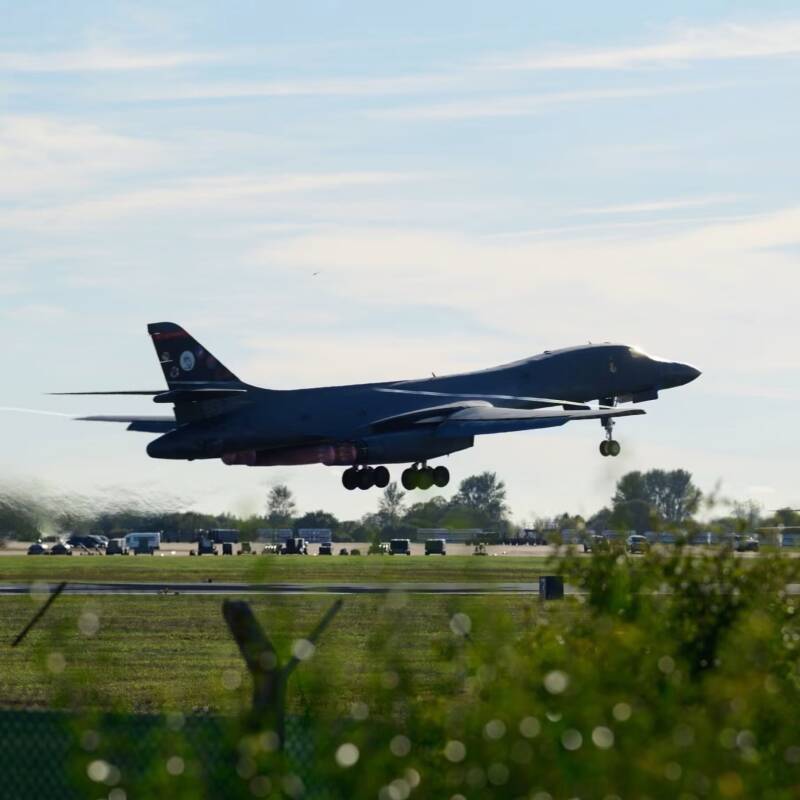
US Air Force withdraws all bombers from RAF Fairford after suspected terror attack
The United States Air Force has confirmed the precautionary withdrawal of all bomber aircraft from RAF Fairford in Gloucestershire following a suspected terror attack at the base on 27 September. While military and police authorities conduct thorough security evaluations, officials have kept relocation sites and fleet counts confidential. The Ministry of Defence confirmed that base protection remains under constant review, ensuring operational readiness proceeds uninterrupted worldwide.
Pentagon requests additional $74 billion for AI, drone, and missile defense systems under FY2027 budget
In an unexpected defense escalation, the Pentagon has formally requested an additional $74 billion in supplementary funding under the FY2027 defense budget. The major financial infusion is designated specifically to accelerate the development and mass deployment of next-generation autonomous combat drones, artificial intelligence military infrastructure, and advanced counter-drone and hypersonic missile interception arrays. Defense analysts note the rapid timeline signals urgent shifts within military research commands to modernise frontline tactical readiness.
The scale of the Pentagon's investment has prompted intense global debate among geopolitical strategists, raising urgent questions over whether Washington is bracing for potential multi-theater engagements. With concurrent tensions persisting across Eastern Europe, the Indo-Pacific, and the Persian Gulf, defense observers are closely examining whether the United States is actively preparing for simultaneous flashpoints involving Russia, China, and Iran ahead of the 2028 election cycle.
US withdraws 12 B-1 bombers from RAF Fairford following foiled base plot
According to reports from both The New York Times and The Wall Street Journal, citing officials with direct knowledge of the matter, the United States has abruptly withdrawn all 12 B-1 Lancer strategic bombers stationed at RAF Fairford in Gloucestershire. Defense insiders indicate that the withdrawal was ordered directly in response to an active terror threat targeting the military installation, following an operation last week that foiled a coordinated plot designed to distract emergency responders and stage an attack on the airfield.
The sudden relocation comes amid growing controversy in the United Kingdom after British authorities released five suspects initially arrested on suspicion of preparing acts of terrorism and handling explosives. While law enforcement emphasized that the five individuals remain subject to "stringent" supervisory orders and persistent surveillance, the move has triggered intense scrutiny over allied base security and the immediate defense posture of forward-deployed American air assets.
US expands Operation Economic Outcast to hit Iran's automotive, rail, and steel sectors
The United States Treasury Department announced new sweeping sanctions targeting Iran's major vehicle manufacturers, Iran Khodro and SAIPA, alongside key components of its rail, manufacturing, and steel industries under Operation Economic Outcast. The move introduces formal sectoral sanctions determinations for both automotive and railway operations, empowering Washington to penalize domestic and international entities operating within these vital commercial sectors.
According to Treasury Secretary Scott Bessent, the targeted actions aim to dismantle Iran's remaining revenue streams and critical industrial networks. In addition to the auto conglomerates and rail firms, designations extend to foreign facilitators and suppliers based in the UAE, Turkiye, Hong Kong, Indonesia, Germany, and China. The sanctions freeze all US-linked assets, prohibit US persons from conducting business with designated parties, and expose foreign financial institutions to potential secondary sanctions.
Report reveals Hezbollah received $129M in Iranian heavy weaponry
Hezbollah acquired approximately $157 million in weaponry over the past year, with Iran furnishing $129 million worth of advanced equipment entirely as a free grant, according to a recent Israeli terror financing report. The group contributed only $28 million of its own funds, limiting its independent purchases to ammunition, small arms, and drone components while relying on Tehran for heavy firepower, including GPS-guided rockets and Russian-designed anti-tank missiles priced up to $26,000 per round.
Despite the substantial influx of Iranian military assistance, Israeli defense officials state that continuous Israel Defense Forces operations have effectively neutralized 90% of Hezbollah's rocket and missile stockpile. Intelligence assessments estimate that the Lebanese militia now holds between 10,000 and 15,000 projectiles—a stark depletion representing only a fraction of its pre-war arsenal and dealing a severe strategic blow to Tehran's primary regional proxy.
U.S. delivers first F-16V fighters to Taiwan amid rising pressure from China
The first two U.S.-made F-16V Block 70 fighter jets have arrived in Taiwan, marking the beginning of deliveries under an $8 billion, 66-aircraft agreement approved in 2019. The advanced jets touched down at Chinhang Air Base in Taitung following a long-distance transit through Hawaii and Guam. The delivery comes after months of production delays, initiating a key modernization milestone that will eventually expand Taiwan's total F-16 fleet to more than 200 aircraft.
Equipped with upgraded avionics, active electronically scanned array radar, and sophisticated precision-strike weapon systems, the newly delivered aircraft are engineered to bolster Taiwan's air defense capabilities significantly. The delivery arrives amid relentless military pressure and increased aerial incursions by China around the island, reinforcing deterrence across the Taiwan Strait as regional security dynamics continue to intensify.
Trump links Flydubai jet attack suspect to Iran amid ongoing investigation
President Trump stated that the Flydubai co-pilot who reportedly attempted to crash an Israel-bound flight appears to have ties to Iran. Israeli authorities described the midair confrontation as an attempted terrorist attack, noting that the co-pilot stabbed the flight captain in an effort to bring down the aircraft before passengers and crew intervened, allowing the plane to execute an emergency landing in Saudi Arabia.
The potential Iranian connection surfaces as international security officials investigate whether the co-pilot acted as a lone operative or followed outside directives. Israeli Prime Minister Benjamin Netanyahu previously remarked that it remained too early to conclusively confirm state-backed involvement from Tehran, as intelligence services continue reviewing the suspect's background and operational channels.
Secretary Pete Hegseth announces Elon Musk will co-lead Project Meridian on future warfare
During his State of the Force address, War Secretary Pete Hegseth unveiled Project Meridian, an ambitious new initiative dedicated to examining the evolving landscape of conflict. hegseth announced that Elon Musk, Palmer Luckey, and Newt Gingrich will co-lead the defense effort, describing the initiative as a focused partnership bringing together America's foremost thinkers to study modern battlegrounds, breakthrough capabilities, and technological innovation.
Operating directly under the leadership of the War Department's Chief Technology Officer Emil Michael, Project Meridian is structured to accelerate defense modernization and address emergent multi-domain threats. Characterized by Hegseth as "an effort led by America's best minds to study the future of warfare," the high-profile advisory panel will explore autonomous systems, artificial intelligence, and cutting-edge military strategy to protect national security interests.
NATO Chief Rutte warns Europe must build independent strike capabilities
NATO Secretary General Mark Rutte acknowledged that Europe currently lacks the capability to independently strike distant, heavily protected targets such as Iranian nuclear sites, contrasting sharply with American operational reach. Speaking in an interview with Euronews, Rutte stressed that European allies must develop indigenous long-range strike capabilities within the next ten years to reduce overarching dependence on Washington.
Beyond Iranian installations, Rutte urged European nations to dramatically scale up autonomous maritime and defense operations to confront threats such as Houthi disruption in the Red Sea. Rutte emphasized the need for realism regarding Europe's current limitations, cautioning that true collective resilience requires member states to step forward and secure regional waterways and vital defense objectives independently.
US intelligence assesses Saudi Arabia has not ruled out nuclear weapons program
United States intelligence agencies assess that Saudi Arabia has not ruled out developing an indigenous nuclear weapons program, according to a report by The Washington Post citing American officials familiar with classified findings recently presented to Congress. The revelation highlights growing unease among national security analysts regarding long-term nonproliferation commitments in the Middle East.
The classified assessment has fueled bipartisan alarm among lawmakers reviewing the Trump administration’s framework agreement to assist Saudi Arabia in launching a civilian nuclear energy program. While the proposed deal clears American commercial firms to participate in lucrative reactor projects, congressional critics caution that technology sharing must include binding safeguards to prevent potential uranium enrichment or weaponization.
Iran submits formal proposal to reopen Strait of Hormuz and resume nuclear talks
Iranian Foreign Minister Abbas Araghchi announced that Tehran has delivered a formal diplomatic proposal to the United States through Qatari intermediaries. Speaking to reporters on the sidelines of the UN General Assembly in New York, Araghchi confirmed that Iran is prepared to reopen the vital Strait of Hormuz waterway and restart nuclear negotiations within seven days, contingent upon immediate reciprocal actions from Washington.
Under the proposed terms, Tehran has demanded that the United States lift its current naval blockade, waive sanctions penalizing Iranian crude oil exports, and commit to a comprehensive regional ceasefire that encompasses Lebanon. "If certain conditions are met, the Strait of Hormuz will be open at the end of seven days, and talks will be restarted," Araghchi stated, signaling a potential diplomatic off-ramp amid heightened Persian Gulf tensions.
U.S. redirects $52M in foreign military financing to Latin American allies
The Trump administration is redirecting $52 million in U.S. Foreign Military Financing away from Slovakia, North Macedonia, Tunisia, and Iraq, sending the funds instead to Panama, Peru, Ecuador, and Colombia. The State Department formally notified Congress on Tuesday, marking a pronounced foreign-policy shift toward the Western Hemisphere. The reallocated funds will supply American taxpayer-backed grants for partner nations to purchase defense equipment manufactured primarily by U.S. defense contractors.
The strategic reallocation targets border security, drug trafficking, and counter-narcoterrorism while securing the Panama Canal and curbing China's growing foothold in the region. The move follows Secretary of State Marco Rubio's diplomatic tour across Colombia, Ecuador, and Peru, during which he pledged expanded regional defense cooperation and proposed an additional $45 million in security funding specifically to assist Ecuador in combating organized crime syndicates.
Canada Investment Summit reveals heavy reliance on U.S. capital
The two-day Canada Investment Summit in Toronto drew high-profile American executives from BlackRock, Blackstone, Berkshire Hathaway, and KKR. While Canadian leaders pitched a $1 trillion five-year investment target aimed at diversifying global ties amid tariff friction, official trade figures underscore an existing reality: the United States remains the dominant foreign investor in the country by a wide margin.
Statistics Canada and Global Affairs data show 2025 foreign direct investment inflows reached C$93.0 billion, with the U.S. accounting for $52.9 billion (57%), followed by the UK at $9.1 billion and the Netherlands at $7.4 billion. In cumulative FDI stock, the U.S. controls $737 billion—nearly half of Canada's C$1.60 trillion total—raising debate over whether upcoming deals will foster true diversification or deepen U.S. reliance.
Washington rules out military support for Saudi Arabia amid renewed Houthi tensions
Washington has reportedly decided against providing military support to Saudi Arabia as regional friction escalates with Yemen's Houthi movement. According to reports from Reuters and The Guardian, the stance crystallized following diplomatic discussions between United States officials and Houthi representatives in Muscat. During these talks, Houthi envoys reassured Washington that the 2025 ceasefire remains intact and affirmed that American-linked maritime routes in the Red Sea will not be targeted.
The group emphasized that its retaliatory measures remain focused strictly on Saudi-linked maritime traffic. The policy shift emerges as Houthi forces expand their operational presence along Yemen's Red Sea coastline and renew threats near the critical Bab el-Mandeb strait. While Saudi authorities state they have actively intercepted incoming Houthi drones, representatives from the Yemeni group continue to deny those claims as regional security dynamics shift.
House passes sweeping Graham sanctions bill targeting Russia and Iran
The United States House of Representatives has officially approved the Lindsey O. Graham Sanctioning Russia and Iran Act with a bipartisan 262–159 vote. The comprehensive legislative package heads directly to President Donald Trump's desk, marking a decisive escalation in congressional efforts to penalize Moscow and Tehran through heightened financial and economic restrictions.
Key provisions of the bill grant the administration authority to impose retaliatory tariffs of up to 100% on major international purchasers of Russian energy, directly targeting substantial buyers such as China and India. Lawmakers underscored that closing commercial revenue streams and expanding secondary sanctions remain vital to crippling adversarial defense infrastructure and securing global stability.
U.S. Air Force tests powered gliders for contested battlefield logistics
U.S. Air Force special operations forces are testing powered gliders to address a critical operational challenge: sustaining isolated small teams when conventional logistics routes are compromised or non-existent. During an international exercise in Iceland, Air Force Special Operations Command (AFSOC) personnel are evaluating powered gliders as an innovative air-delivery method. Designed to be launched from larger aircraft and autonomously navigated to remote drop zones, these systems can ferry essential medical supplies and gear into rugged environments without requiring runways or exposed landing sites.
Recent combat in Ukraine and the Middle East has shown the acute vulnerability of standard logistics lines to drone strikes, electronic warfare, and precision missiles. For special operators working hundreds of miles away from fortified bases, standard helicopter and cargo runs risk early detection and destruction. As part of an overarching tactical evolution, AFSOC is exploring autonomous gliders alongside robotic vehicles to provide a quiet, low-cost logistics alternative that helps forward troops stay in the fight when supply lines break down.
US clears way for $24.3 billion fighter jet sale to Saudi Arabia
The United States government has formally cleared the path for a landmark $24.3 billion military aviation agreement with Saudi Arabia. Under the proposed arms package, the Royal Saudi Air Force is slated to acquire advanced multirole fighter aircraft alongside cutting-edge avionics, radar systems, and comprehensive technical maintenance support aimed at modernizing the kingdom's aerial defense framework.
State Department and defense officials emphasized that the massive transaction reinforces bilateral strategic security cooperation in the Persian Gulf while preserving regional deterrence against hostile non-state actors and state adversaries. The sale now heads to congressional review, marking one of the most substantial foreign military sales authorized by Washington in recent years.
Space Force plans to double ranks with 10,000 new Guardians
The United States Space Force is preparing for an unprecedented personnel expansion, outlining plans to recruit 10,000 Guardians over the next five years. This strategic surge will effectively double the size of the nation's newest armed service branch, reflecting rapidly evolving defense priorities and the escalating need to protect orbital assets.
Defense officials confirmed that roughly two-thirds of the new personnel will be assigned directly to Combat Forces Command. The massive influx of specialists and operators aims to accelerate the deployment of advanced space-defense systems and secure vital military satellites against emerging adversarial threats in orbit.
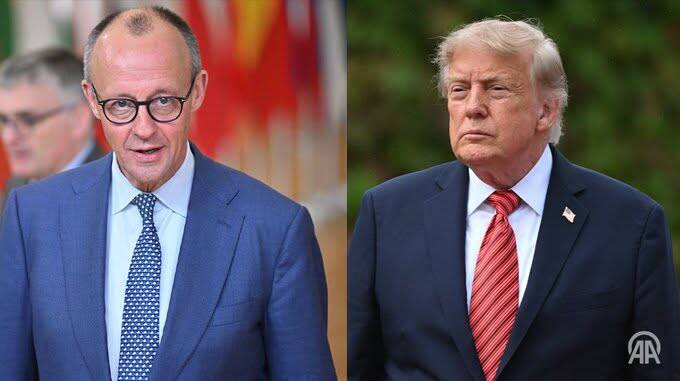
German Chancellor Merz holds phone call with Trump on Ukraine and maritime security
German Chancellor Friedrich Merz held an extensive telephone conference with U.S. President Donald Trump to coordinate Western strategic responses to the ongoing war in Ukraine. The two leaders discussed transatlantic defense commitments, military support frameworks, and joint diplomatic mechanisms to counter Russian aggression, emphasizing that European stability relies on continued high-level alignment between Berlin and Washington.
The discussions also addressed escalating maritime security risks across critical Middle Eastern waterways, notably recent incidents within the Strait of Hormuz and ongoing instability throughout the Red Sea. Chancellor Merz and President Trump reviewed plans to safeguard freedom of navigation, deter proxy attacks targeting international commercial shipping, and ensure vital global trade corridors remain open amidst volatile geopolitical flashpoints.
Netanyahu says Israel must influence American public opinion to sustain US support
Israeli Prime Minister Benjamin Netanyahu emphasized that maintaining robust bipartisan support in Washington requires active engagement directly with the American public. Speaking on long-term diplomatic strategy, Netanyahu highlighted that U.S. political decisions are fundamentally shaped by domestic sentiment, making widespread public persuasion an essential national security priority for Israel amid shifting political tides.
Netanyahu underscored the necessity of countering adverse narratives across digital media, university campuses, and civic organizations. Israeli officials argue that strengthening outreach efforts and reinforcing shared democratic values will ensure continued strategic alignment, defense collaboration, and vital diplomatic cooperation between Washington and Jerusalem over the coming decade.
Poland warns Moscow may stage accidental strikes on NATO soil
Polish Prime Minister Donald Tusk addressed parliament on September 17, disclosing that intelligence from NATO, Ukrainian, and allied intelligence agencies points to an evolving Russian strategy. Rather than initiating a conventional ground invasion, Moscow aims to execute hybrid drone and missile strikes against countries supporting Ukraine, including Poland. The core objective is to disrupt supply logistics and test NATO’s resolve while claiming any border incursions or structural damage were accidental, intentionally muddying the waters around triggering Article 5.
Tusk identified this gray-zone strategy as the most probable risk in the coming months, highlighting Russia's deployment of faster, jet-powered drones that operate at higher altitudes and pose steeper interception challenges. Warsaw has consistently cautioned that NATO’s eastern flank would face deliberate probing. By presenting cross-border damage as operational errors, Moscow ultimately seeks to render the alliance's collective defense guarantees purely theoretical.
US military prepares for future warfare beyond Earth and into cislunar space
General Dan Caine, Chairman of the Joint Chiefs of Staff, has cautioned that American armed forces must actively adapt to prepare for conflicts that extend far beyond Earth's atmosphere, explicitly highlighting the strategic theater surrounding the Moon. Caine emphasized that the next generation of deterrence hinges on readying personnel and advanced systems for contested domains that were once considered out of military reach.
According to Caine, impending geopolitical flashpoints will demand the capability to fight, endure, and win future wars in globally contested environments spanning from the seabed to cislunar space. As rival world powers expand operational ambitions across orbit and lunar corridors, defense planners are prioritizing robust supply lines, resilient orbital communications, and multi-domain superiority across terrestrial and extraterrestrial operational theaters.
China upgrades Djibouti military base with advanced communications gear
China has upgraded its military base in Djibouti with advanced communications equipment, potentially expanding its intelligence-gathering capabilities across the Middle East, according to the Center for Strategic and International Studies (CSIS). The think tank noted that escalating U.S. and Israeli operations targeting Iran have dramatically elevated the strategic value of the installation amid significant American troop deployments throughout the region.

Opened in 2017 along the Gulf of Aden near the critical Bab al-Mandeb Strait, the Djibouti facility remains China’s only formally acknowledged overseas military outpost. CSIS reported that the newly installed systems are designed to enhance Beijing's capacity to monitor neighboring militaries while securing reliable communications with Chinese naval vessels and aircraft operating throughout surrounding maritime choke points.
Saudi airstrike eliminates four Houthi fighters in Yemen
A targeted Saudi Arabian airstrike successfully eliminated four Houthi fighters during precision aerial operations in Yemen. Military officials reported that the strike focused on an active militant staging area, directly neutralizing key combatants on the ground as regional defense forces maintain close surveillance over northern and central sectors.
Footage circulating from frontline monitors drew immediate public attention not only for the tactical aftermath of the strike, but also for the oversized military berets worn by the fighters, frequently compared to helicopter landing pads. Coalition air units continue conducting defensive sweeps to prevent further proxy regrouping across Yemeni territory.
Israel integrates SPICE 1000 precision glide bombs onto F-35I Adir stealth fighters
Rafael Advanced Defense Systems has partnered with Lockheed Martin at U.S. facilities to integrate the autonomous SPICE 1000 precision-guided bomb onto the Israeli Air Force's F-35I Adir stealth fighters. Equipping the fifth-generation stealth platform with the 1,000-pound-class standoff munition extends strike capability to ranges up to 125 kilometers. This standoff buffer allows pilots to strike high-value targets deep inside hostile territory while staying out of reach of dense, modern air defense networks and surface-to-air missile threats.
Operationally, the SPICE 1000 thrives in GPS-denied environments through an electro-optical seeker and scene-matching software that compares pre-programmed target imagery with live optical feeds upon release. By adapting battle-proven domestic munitions that have served on Israeli F-15 and F-16 fighters since 2017 for internal carriage on the F-35, Israel achieves a cost-effective operational upgrade. The joint effort strengthens regional deterrence and establishes an export pathway for other allied F-35 operators worldwide.
IDF eliminates Hamas Rafah Brigade commander Nael Abu Obeid
In a targeted intelligence-led operation, the Israel Defense Forces confirmed the successful elimination of Nael Abu Obeid in southern Gaza. Abu Obeid served as the commander of Hamas's Rafah Brigade and held a pivotal role as the head of the military wing's operations array, overseeing tactical planning and militant deployments throughout the region.
According to military statements, Abu Obeid directed numerous cross-border assaults and coordinated defensive networks in Rafah. Israeli defense officials stated that his removal deals a substantial operational blow to Hamas's remaining command and control structure as security operations continue across the sector.
US approves visas for top Iranian leaders to attend UN General Assembly
The United States has approved entry visas for senior Iranian officials, allowing Tehran's delegation to participate in the upcoming United Nations General Assembly in New York. Under the 1947 UN Headquarters Agreement, Washington is generally obligated to facilitate the travel of foreign diplomats to the multilateral forum, even amidst intense geopolitical confrontation and strained bilateral relations.
The decision permits high-ranking figures, including Iranian diplomatic leadership, access to Manhattan for diplomatic summits and side discussions. While U.S. authorities are enforcing rigorous travel restrictions that limit the delegation's movement strictly between UN headquarters and accredited mission facilities, the high-stakes gathering provides a rare direct arena for multilateral diplomacy amid ongoing regional tensions.
US Treasury offers whistleblowers up to 30% for tips on Iranian sanctions evasion
The U.S. Treasury Department is offering whistleblowers up to 30% of collected penalties for actionable intelligence leading to enforcement against Iran-related sanctions evasion or money laundering. Detailed in a Financial Crimes Enforcement Network (FinCEN) bulletin, the initiative is designed to penetrate Tehran's complex international financial architecture. FinCEN is soliciting tips from both domestic and foreign whistleblowers regarding individuals or entities circumventing American sanctions or violating the Bank Secrecy Act.
Under the program, qualifying disclosures that result in a successful Treasury or Justice Department action recovering more than $1 million can yield an award between 10% and 30% of the total amount collected. Treasury officials noted that financial rewards may, at their discretion, even be granted to non-U.S. individuals or participants within foreign networks who deliver critical intelligence on Iranian proxies, third-party facilitators, and clandestine financing operations worldwide.
Donald Tusk warns Russia planning hybrid strikes on Poland and Ukraine allies
Polish Prime Minister Donald Tusk has issued a grave warning citing intelligence assessments that indicate Russia is actively preparing hybrid drone and missile operations targeting nations providing support to Ukraine. Speaking on the escalating security situation across Eastern Europe, Tusk emphasized that Poland and other regional allies face unprecedented threats designed to test collective defense mechanisms and disrupt strategic logistical hubs aiding Kyiv.
According to allied intelligence reports referenced by Warsaw, Moscow’s planned operations incorporate both conventional aerial incursions and asymmetric hybrid tactics to sow uncertainty and strain NATO airspace monitors. Polish defense forces have placed rapid response units and air defense networks on high alert as Warsaw coordinates closely with transatlantic partners to counter potential provocations before they compromise national airspace.
Canada seeks closer EU ties amid mounting U.S. trade friction
Canadian Prime Minister Mark Carney called for deeper economic and political cooperation with Europe on Thursday, addressing European Union lawmakers as bilateral tensions with Washington continue to escalate. Carney emphasized that Ottawa welcomes enhanced integration with the 27-nation bloc, stating, "Together, Canada and the European Union can anchor our ground to hold our values while forming a protective canopy under which our citizens can thrive."
Carney's diplomatic outreach came just hours after U.S. President Donald Trump publicly criticized proposals for Canada to seek associate member status within the European Union. Trump warned of severe retaliatory measures, threatening steep new tariffs if Washington deems the transatlantic alignment hostile to American economic interests. The standoff marks a significant shift in North American trade dynamics as Ottawa actively explores strategic alternatives.
U.S. trade chief criticizes Canada's suspension of talks amid duty-free access
U.S. Trade Representative Jamieson Greer directly called out Ottawa's sudden withdrawal from ongoing trade discussions, pointing out the stark contrast between Canada's retaliatory measures and its existing trade privileges. Greer highlighted that while Canadian leadership announced on national television that negotiations were suspended, Canadian producers continue to send their goods duty-free into the American market.
Emphasizing the exceptional nature of the dispute, Greer noted that Canada has become the only major U.S. trading partner besides China to actively retaliate against Washington. The remarks underscore rising cross-border friction, with American officials arguing that Ottawa chose to walk away from potential compromises while maintaining favorable terms of entry for its core exports.
EU stops short of joining US campaign to sever Iran from global finance
U.S. Treasury Secretary Scott Bessent claimed that the European Union has formally partnered with Washington in its aggressive campaign to cut Iran entirely out of the international financial architecture. Speaking following multilateral discussions, Bessent characterized the development as a coordinated transatlantic push aimed at tightening secondary financial restrictions and intensifying economic pressure on Tehran.
However, an official statement released by Brussels during this week's G20 finance meeting contradicts that characterization, stopping well short of endorsing a total financial cutoff. While European officials reaffirmed commitments to counter illicit finance and enforce existing sanction regimes, diplomats emphasized that the EU maintains an independent regulatory stance focused on targeted measures rather than full systemic isolation.
Canada walked away from 'best deal in the world', U.S. trade chief says
Trump administration trade chief Jamieson Greer stated that Canada abandoned what he termed the "best deal in the world" after the two nations had seemingly reached a tentative handshake agreement. According to Greer, Washington had put forward substantial relief packages covering critical industrial sectors including steel, aluminum, automobiles, and lumber before bilateral talks unexpectedly collapsed.
Talks reached an impasse on August 21 when Canadian negotiators halted proceedings, citing alleged last-minute revisions to terms proposed by the United States. Greer confirmed that no formal diplomatic discussions have taken place since the pause, adding that Washington considers the ball to firmly remain in Ottawa's court to initiate the next step.
Trump warns Carney over escalating U.S.-Canada trade tensions
Donald Trump has cautioned Canadian Prime Minister Mark Carney that casting him as "the enemy" could inflict severe long-term damage on Canada’s economy. The stark warning comes as trade friction between the two neighboring powers reaches new heights, triggered by disagreements over proposed tariffs and cross-border commerce regulations.
Prime Minister Carney has pushed back by demanding serious bilateral negotiations, openly criticizing Washington's aggressive trade stance. With both governments firmly entrenched over tariff rates and broader economic terms, observers warn that the diplomatic standoff poses mounting risks to supply chains and cross-border investment.
Bessent turns Canada's 42,000 job losses into a pitch to grow with the U.S.
U.S. Treasury Secretary Scott Bessent seized on Friday's divergent labor market reports, leveraging the sharp contrast into a warning shot directed at Ottawa. While the United States added a robust 162,000 payroll jobs in the latest monthly count, Canadian data revealed a net loss of 42,000 positions, sparking renewed debate over the competitiveness of North American trade and domestic economic policies.
"Canada lost more than 40,000 jobs while America had a blowout jobs number," Bessent stated during an appearance addressing the split figures. Positioning the U.S. economic framework as a magnet for foreign capital and corporate expansion, Bessent used the opportunity to deliver an open invitation to cross-border enterprises to invest directly and grow alongside the American economy.
Trump secures majority U.S. control over Venezuelan oil
President Trump announced "THE BIGGEST OIL DEAL IN WORLD HISTORY," securing majority control of over 65 billion barrels of proven Venezuelan oil reserves. This partnership with private business comes at no cost to American taxpayers.
The move comes as Canada threatens its largest customer, the U.S., and squanders its energy advantage, further highlighting the strategic importance of this new oil deal for American energy security.
Iranian petrochemical production halted due to electricity shortages
Arvand Petrochemical announced that all production has been taken offline because a heatwave has intensified power shortages in Mahshahr. This disruption impacts critical petrochemical supply chains and raises concerns about the stability of industrial operations in the region. The company stated that production will resume once supply problems are resolved.
Ghadir Petrochemical also suspended production, citing electricity restrictions and a halt in its supply of chlorine feedstock. The combined shutdowns highlight a significant challenge for Iran's petrochemical industry, exacerbated by ongoing electricity issues in Khuzestan province. Both companies await resolution of the supply problems before restarting operations.
US and Ecuador step up joint anti-drug operations
A US warship has arrived at the port of Manta in Ecuador as American and Ecuadorian forces step up joint operations against drug-trafficking gangs. This deployment marks a significant increase in anti-narcotics cooperation between the two nations, aiming to disrupt illegal drug networks in the region.
Two US warships are expected to support maritime patrols, alongside interceptor boats and helicopters, as part of the expanded anti-narcotics cooperation. These combined efforts are designed to enhance surveillance, interdiction capabilities, and overall effectiveness in combating drug trafficking in Ecuadorian waters.
Washington targets India-based firms in economic crackdown against Iran
Washington has targeted four India-based companies and three Indian nationals over alleged links to Iran's petroleum and petrochemical trade. This action is part of its newly launched "Operation Economic Outcast," aiming to disrupt financial networks supporting Iran's energy sector. The US State Department accused the firms of facilitating or purchasing Iranian oil and petrochemical shipments worth millions of dollars.
Those named include Portease Partners LLP, Sadashiva Overseas Ltd, PP Softtech Pvt Ltd, and Prakrutees Infra Impex India Pvt Ltd, along with three individuals associated with two of the companies. This action is part of a wider US crackdown targeting 60 individuals, entities, and vessels involved in transactions with Iran's energy sector, signaling an intensified economic pressure campaign.
Iran urges UN to condemn US 'economic terrorism' campaign
Iranian Foreign Minister Abbas Araghchi has written to UN Secretary-General Antonio Guterres, the Security Council president, and UN member states, calling on them to condemn Washington's "Operation Economic Outcast." Araghchi described this as an illegal campaign of "economic terrorism" against Iran. He stated that the declared objective of this operation is to end lawful economic relations with Iran, backed by threats of secondary sanctions and exclusion from the US financial system.
Araghchi further asserted that these measures seek to extend US laws and foreign-policy objectives beyond its jurisdiction, forcing sovereign states to alter their lawful trade relations. He wrote that a defining moment now confronts the Security Council and all members of the United Nations, as they face a choice between defending sovereign equality, non-interference, and states' sovereign rights, or submitting to the unilateralism and bullying of a rogue state.
South Korea scrambles jets as Russian aircraft enter air defense zone
South Korea reported on Wednesday that it had scrambled fighter jets in response to Russian military aircraft entering its air defense zone. This marks the second such incursion in a matter of weeks, highlighting increasing tensions in the region. The incident occurred over the East Sea, also known as the Sea of Japan, where multiple Russian aircraft entered and then departed the air defense identification zone.
Relations between South Korea and Russia have deteriorated significantly since Seoul joined Western sanctions following Russia's invasion of Ukraine. This strain has been further exacerbated by Moscow's strengthening ties with North Korea. South Korea's defense ministry confirmed the breach, indicating heightened vigilance as geopolitical dynamics continue to shift in Northeast Asia.
Romania vs Russia: F-16 destroys marine drone in Black Sea
On August 20, 2026, a suspected explosive-laden maritime drone was detected near Romania’s Neptun Deep gas project in the Black Sea. A Romanian F-16 opened fire and disabled the drone before it could threaten vital energy infrastructure. This incident highlights the escalating tensions in the region and the critical importance of protecting strategic assets.
Ukraine later confirmed the drone was not Ukrainian, while Romanian officials blamed Russia for the incident, suggesting a deliberate act of aggression. The rapid response by the Romanian air force underscores the heightened vigilance in the Black Sea, a key area of geopolitical interest.
Canada ready to negotiate with US on tariffs, says Prime Minister Mark Carney
Canadian Prime Minister Mark Carney has responded to US President Donald Trump’s latest tariff threat, stating that Canada is prepared to negotiate if Washington approaches the talks with the “right attitude” and a true partnership. This declaration comes amidst rising trade tensions between the two nations.
Carney emphasized Canada's desire for a fair and productive dialogue, highlighting the importance of mutual respect in resolving trade disputes. The Prime Minister's office reiterated Canada's commitment to protecting its national interests while seeking a collaborative path forward.
Russia launches military spacecraft from Plesetsk Cosmodrome
Russia successfully launched a Soyuz-2.1b rocket from the Plesetsk Cosmodrome, carrying a military spacecraft for the Russian Defence Ministry. The satellite was reportedly placed into its target orbit, with stable telemetry established after the launch.
The spacecraft’s specific purpose and capabilities remain classified. This launch reinforces Plesetsk's role as a key Russian military space facility for deploying defense and communications satellites.
Supreme Court allows Trump’s executive order restricting mail voting to take effect
BREAKING: The Supreme Court has allowed Trump’s executive order restricting mail voting to take effect ahead of the midterms. This decision has significant implications for how millions of Americans will cast their ballots in the upcoming elections, sparking widespread debate and concern among voting rights advocates.
The ruling overturns lower court injunctions that had previously blocked the order, enabling the administration to implement stricter regulations on absentee and mail-in ballots. This development is expected to disproportionately affect certain demographics and could alter voter turnout in key states.
First Lady Melania Trump’s Fostering the Future initiative is expanding its network through a $2 million donation from IndyCar and Fox Corporation. This significant contribution will fund scholarships at Indiana and Purdue Universities.
Fostering the future initiative secures $2M for scholarships
“America’s greatest competitive advantage remains in its own people. Tomorrow’s leaders are sitting in classrooms today, including those growing up in foster care. Their capability is no less remarkable,” stated First Lady Melania Trump.


Treasury uses general account to fund bond buybacks
The Treasury plans to use its nearly $1 trillion General Account to help fund increased purchases of government bonds, according to two senior Treasury officials. This strategic move aims to provide the Treasury with substantial power to influence long-term bond yields, impacting financial markets significantly. The decision comes amidst a period of heightened economic focus and a need for greater control over bond market dynamics.
The Treasury recently announced it would double buybacks of off-the-run securities on the long end, increasing from $2 billion to at least $4 billion. Treasury Secretary Scott Bessent indicated that such operations could exceed this new minimum, signaling a proactive approach to managing bond yields. This aggressive strategy is designed to stabilize markets and potentially lower borrowing costs for the government.
Britain approves Storm Shadow missile blueprints for Ukraine
Britain has approved the transfer of classified blueprints for Storm Shadow cruise missile components to Ukraine. This move paves the way for domestic assembly of one of the West's most capable long-range strike weapons.
This strategic decision is expected to significantly bolster Ukraine's defense capabilities against ongoing aggression. It also marks a new phase in international military aid, allowing Ukraine to produce advanced weaponry on its own soil.
U.S. military establishes protected shipping corridor in Strait of Hormuz
The U.S. military has quietly established a protected shipping corridor through the Strait of Hormuz, allowing millions of barrels of oil to move daily. This operation, underway for several weeks, sees roughly 15–20 tankers moving in and out of the strait each night via a southern channel along the Omani coast.
Average daily oil flows are around 10 million barrels, about half of pre-conflict levels, with some nights reaching 15–20 million barrels. U.S. forces are not only escorting outbound tankers but also facilitating empty tankers entering the Gulf to load oil before exiting under protection.
Washington increasingly relies on economic pressure against Iran
US Vice President JD Vance said the war with Iran had “entered a new phase,” with Washington increasingly relying on economic pressure after destroying the Islamic Republic’s conventional military and nuclear facilities. Vance said the United States had been able to move significant amounts of oil and gas through the Strait of Hormuz despite Iranian attacks on commercial vessels.
This reduced Tehran’s leverage and put pressure on its economy. Vance said the ultimate objective was not only to ensure Iran’s nuclear facilities remained destroyed but to prevent Tehran from attempting to rebuild them. “Do they want to have their economy strangled for the rest of time or do they want to have a better relationship with the West?” he said.
Iran condemns new US sanctions as ‘economic terrorism’
Iran has strongly condemned the newly announced US economic and trade sanctions, labeling them as ‘economic terrorism’ and crimes against humanity. These measures, according to Iran, directly target ordinary Iranian citizens and are designed to exert immense pressure on the nation.
Despite the severe implications for its economy, Iran has declared that these sanctions will not weaken its resolve to defend its sovereignty. The government asserts that it will continue to resist external pressures and maintain its independent stance on international affairs.
Diddy could face charges in Tupac murder case
Legal sources suggest that Sean "Diddy" Combs could face charges linked to the murder of rapper Tupac Shakur following a new trial. This development reopens a long-standing case that has captivated public attention for decades. The potential implications for Combs are significant, marking a new chapter in the investigation into Shakur's death.
This news comes amid renewed scrutiny and legal efforts to uncover the truth behind the 1996 killing. The legal community is closely watching how these suggestions will impact the ongoing proceedings and what new evidence may emerge. boston global newz will continue to provide updates on this evolving story.
Department of War orders reviews of academic ties with foreign entities
The US Department of War has ordered 30 domestic academic institutions to immediately review their academic, financial, and research ties with foreign entities of concern. This directive targets collaborations with institutions on the Department of War’s Section 1286 list, which includes universities and research bodies in Iran, China, and Russia that are deemed threats to US national security. Nine Iranian institutions are specifically named on this list.
Under Secretary of War for Research and Engineering Emil Michael emphasized that the Department of War has zero tolerance for academic partnerships that compromise national security. This move underscores the government's commitment to safeguarding critical research and intellectual property from foreign adversaries and ensuring the integrity of academic collaborations. The reviews are expected to be comprehensive and could lead to significant changes in institutional partnerships.
Netanyahu’s Likud Party holds primaries ahead of Israel’s general elections

Prime Minister Benjamin Netanyahu's Likud Party is holding primaries today, as candidates vie for positions on the party list ahead of Israel's upcoming general elections. This internal voting process is crucial in shaping the party's representation and is closely watched by political observers. The results will indicate the Likud's strength and internal dynamics as the country prepares for a national vote.
The primaries are an important step in Israel's democratic process, determining who will represent the Likud on the ballot. With general elections approaching, the composition of the party list can significantly influence the outcome. Stay tuned to bostonglobalnewz for comprehensive coverage and analysis of the results and their implications for Israeli politics.
Ukraine launches one of its largest drone attacks on Russia yet
Massive plumes of black smoke filled the sky near Moscow after a warehouse for Russia's largest online retailer went up in flames following a drone attack. This incident marks one of Ukraine's largest drone operations on Russia, intensifying the ongoing conflict and raising concerns about the security of Russian civilian infrastructure.
Local officials confirmed that an 83-year-old man was killed and several others were injured in the strike. The attack highlights the increasing scope and impact of drone warfare, as Ukraine continues to target strategic locations within Russia. Investigations into the full extent of the damage and casualties are ongoing.
Ghana's cedi currency refresh
Ghana's cedi may be set for a security-focused refresh aimed at making banknotes harder to counterfeit, according to reports by Ghanaian media outlets citing President John Dramani Mahama. Currencies need periodic updates as criminals learn to replicate existing security features, said Mahama.
He added that the Bank of Ghana is considering changes and will provide details when ready. Any redesign would not be a redenomination or alter the cedi's value, he stressed, saying the currency's strength ultimately depends on economic management, not the appearance of banknotes.
Pentagon awards Raytheon $22.9 billion contract for Tomahawk missile production
The Pentagon has awarded Raytheon a massive $22.9 billion contract to accelerate the production of Tomahawk cruise missiles for the US Navy. This significant investment is aimed at expanding manufacturing capacity and strengthening the Navy's supply of long-range precision weapons.
This contract comes as the United States continues its efforts to enhance military readiness and replenish key missile inventories. Tomahawk missiles are critical for long-range strikes against land targets, deployed from US Navy ships and submarines.
Fact check: USS Abraham Lincoln deployment
Over the past 48 hours, multiple media outlets have reported several false claims related to USS Abraham Lincoln's (CVN 72) deployment to the Middle East. One report alleged seven sailors died in a brawl aboard the aircraft carrier and others have recently suggested a spike in suicidal ideations. These reports are FALSE.
USS Abraham Lincoln has maintained among the highest crew reenlistment rates (84.4%) of all aircraft carriers in the U.S. Navy. The sailors and marines of the Abraham Lincoln Carrier Strike Group remain resilient and resolved after more than 260 days at sea, 10,000 aircraft flights, and 1.5 million pounds of ordnance expended. No service members aboard the aircraft carrier have died, and the one sailor who fell overboard Aug. 3 was quickly and safely recovered. The rampant misreporting on Abraham Lincoln's historic deployment is a disservice to our men and women in uniform and their loved ones.

Iran clarifies its stance on regional conflict
President Masoud Pezeshkian confirmed on Tuesday that Iran will defend its territory but does not seek to continue or expand the war. He stated, “Conflict, whether in a neighborhood, a city, a country or between countries, is a disease that has emerged. We will defend our boundaries, but we are not seeking to expand the war or continue it.”
Pezeshkian linked national security to domestic cohesion, emphasizing that resolving internal divisions could help prevent foreign interference. He added, “We must work under these circumstances to build a healthy society so that the enemy is not tempted to enter it, tear apart our social fabric and destroy it.”
Iran's economic struggles: Trump's analysis
US President Donald Trump stated that Iran's economic situation is becoming unsustainable. He pointed to soaring inflation, an extremely weakened currency, and financial difficulties affecting the country's military. Trump argued that continued economic pressure could further strain Tehran.
He claimed Iran is facing inflation of around 300 percent and said the country's currency has lost much of its value. Trump also alleged that Iran is struggling to pay its soldiers, with some reportedly leaving the military. He suggested maintaining pressure while warning of stronger action if necessary.
The Marco and Jeanette Rubio story: a quarter-century of commitment and family
Marco Rubio and Jeanette Dousdebes Rubio’s story began long before national politics placed their family in the public eye. They met as teenagers in West Miami and married on October 17, 1998. Jeanette later recalled sensing a "depth" in Marco that attracted her. Their relationship developed over years, rather than an instant teenage romance, eventually leading to a Valentine’s Day proposal atop the Empire State Building.
As Marco's political career accelerated, Jeanette's focus remained on family and charitable work. She founded JDR Consulting, Inc. in 2011 to assist philanthropic organizations and has served on the Statewide Council on Human Trafficking. The Rubios have four children: Amanda, Daniella, Anthony, and Dominick. Marco often emphasizes fatherhood as his most important job, highlighting their shared commitment to family.

Alina Habba considered for White House press secretary role
Alina Habba is reportedly emerging as a front-runner to succeed Karoline Leavitt as White House press secretary. Leavitt is preparing to leave the position, although President Donald Trump has not yet made a final decision on her replacement. Habba, who has served in a prominent role within Trump's administration, is being considered among potential candidates for the high-profile communications post.
The eventual selection would play a key role in shaping the White House's messaging and interactions with the media. Trump could still choose another candidate as discussions over the position continue. This decision will be crucial for the administration's public relations strategy.
More than $82 million generated in 3rd Gulf of America oil and gas lease sale
The Bureau of Ocean Energy Management (BOEM) recently announced the results of the 3rd Gulf of America oil and gas lease sale. The sale, held earlier this year, generated over $82 million in high bids, indicating continued strong industry interest in offshore energy development. This revenue will contribute to state and federal coffers, supporting various programs and initiatives.
The bids encompassed a significant number of tracts across the Gulf of America, reflecting a strategic push to expand domestic energy production. This successful lease sale highlights the ongoing importance of the region to the nation's energy security and economic growth. Analysts anticipate further activity in the coming years, reinforcing the Gulf's role in the global energy market.
American hypersonic missile interceptor tested
America's new hypersonic missile interceptor, estimated to cost $110 million, recently underwent a critical rocket motor test by Lockheed Martin. This test was conducted in a high-vacuum chamber designed to simulate space-like conditions, a crucial step for the Next Generation Interceptor (NGI).
The NGI is slated to replace the Ground-Based Interceptor fleet, currently stationed in Alaska and California. The existing fleet, dating back to the 2000s, has a mixed test record. The new interceptor's second stage is vital for in-space operations, requiring predictable burning and precise targeting to achieve a hit-to-kill intercept without an explosive warhead.
Iran could prolong war until Trump leaves office
A senior adviser to the commander of Iran's Revolutionary Guards stated that Tehran could deliberately prolong the war until US President Donald Trump leaves office. This strategy aims to wear down adversaries and deter future attacks, according to the adviser.
This potential approach highlights Iran's long-term strategic considerations and its assessment of the political landscape in the United States. The adviser's comments suggest a calculated effort to leverage political changes in its favor.
Venezuela and Israel restore consular ties after 17 years
Venezuela and Israel are restoring consular ties after nearly 17 years without formal diplomatic relations. The freeze began in 2009 under Hugo Chávez and continued during Nicolás Maduro’s presidency. The latest agreement establishes an official coordination mechanism for consular services but falls short of full diplomatic restoration.
The development comes after Maduro was removed from power and Venezuela’s interim leadership moved closer to Washington while distancing the country from its previous relationship with Iran. Israeli officials had previously welcomed Maduro’s removal and expressed hope for improved relations with Caracas. The new channel marks the first official contact between both sides in nearly two decades.
Iraq and US discuss withdrawal of US troops by September 30
Iraqi Prime Minister Ali al-Zaidi and CENTCOM chief Adm. Brad Cooper met in Baghdad today to discuss the full withdrawal of US troops from the country. This high-level meeting underscores the ongoing diplomatic efforts to finalize the timeline for the departure of American forces. Discussions focused on logistical arrangements and security implications.
The two leaders are working towards a deadline of September 30 for the complete withdrawal of US troops, a significant development in Iraq's sovereignty. This move is expected to reshape regional security dynamics and marks a new chapter in the relationship between Iraq and the United States.
Iran downplays new Saudi-Pakistan-Turkey defense pact
Iranian officials and analysts are publicly playing down the threat posed by a new defense pact between Saudi Arabia, Pakistan, and Turkey. Despite this, some commentators warn Tehran against underestimating an emerging regional alignment. The pact is seen by some as a potential counterbalance to Iran's influence in the Middle East. Officials in Tehran have dismissed the alliance as insignificant, suggesting it will have little impact on Iran's regional standing or security. However, this public stance may mask underlying concerns about the shift in regional power dynamics.
The new defense agreement has sparked debate within Iran, with differing views on its implications. While hardliners maintain a dismissive tone, a segment of analysts suggests that Iran should carefully assess the long-term consequences of this trilateral partnership. They argue that underestimating such alliances could lead to strategic miscalculations, particularly given the historical complexities of Middle Eastern geopolitics. The pact's formation comes at a time of heightened tensions and shifting allegiances, making a comprehensive understanding crucial for Iran's foreign policy.
No talks to extend ceasefire between Iran and US, Iranian source says
There are no discussions over extending the ceasefire between Iran and the US, a senior Iranian source tells Reuters. This statement clarifies the current diplomatic landscape amidst ongoing tensions between the two nations.
One of the issues being discussed is the US returning to the memorandum of understanding and defining a timeframe for implementing its commitments, the source added. This indicates a focus on existing agreements rather than new ceasefire negotiations.
Mojtaba Khamenei's altered photo sparks controversy amid health concerns
An image released by Supreme Leader Mojtaba Khamenei’s office, initially described as a new photograph, has been identified as an altered version of a photo published in April. While Khamenei’s pose, facial features, and clothing remain identical, the background has been replaced. This manipulation comes amid heightened scrutiny of Khamenei’s health.
Khamenei has been out of public view for months since he was reportedly injured in an airstrike on his father’s office. The release of an altered image rather than a new one fuels speculation about his condition and raises questions about transparency within the Supreme Leader's office, prompting further media and public attention.
Iran's regime broke, unable to pay soldiers, Trump says
US President Donald Trump stated on Monday that Iran's regime is "broke" and incapable of paying its soldiers amidst an inflation rate of approximately 300 percent. He accused the Islamic Republic of being responsible for the deaths of "hundreds of thousands of people" over 50 years, highlighting the severe economic distress and human cost associated with the current regime.
Trump's comments underscore the dire financial situation within Iran, which he attributes to misgovernance and support for terror groups. He suggested that the regime's inability to manage its economy and provide for its military further destabilizes the region and perpetuates conflict. These statements align with his broader criticism of Iran's leadership and its impact on global stability.
Khamenei demands "maximum deterrence" from IRGC commander
Supreme Leader Mojtaba Khamenei has called on newly appointed IRGC commander-in-chief Ahmad Vahidi to strengthen the force’s capabilities for “maximum deterrence” and maintain readiness to carry out “powerful offensive operations against the enemy.”
In his appointment decree, Khamenei also instructed Vahidi to strengthen ideological commitment and the revolutionary spirit among IRGC commanders and personnel, further calling for a command structure combining religious commitment, scientific expertise, and modern management skills.
Iran's collapsing currency and support for terror groups
Today, one million Iranian rials is worth less than one US dollar. While the regime actively funds Hezbollah, Hamas, and the Houthis, its own citizens struggle to afford basic necessities like bread. This stark reality underscores the dire economic conditions within Iran and the priorities of its leadership.
Trump fires back at Iran over compensation demands, cites US casualties
President Trump has rejected Tehran's demand for compensation due to the recent five-month conflict. Instead, the U.S. will seek compensation for American lives lost and injuries sustained due to the Iranian regime and its proxies.
Trump stated that this demand will now be "firmly" included in all future negotiations with Iran, marking a significant shift in the U.S. negotiating stance. This move signals a strong push to hold Iran accountable for its actions.
US President Donald Trump says US to seek compensation
US President Donald Trump announced that the United States will seek substantial compensation for military interventions and aid provided to various countries over the years. This declaration marks a significant shift in foreign policy, emphasizing a transactional approach to international relations. The move comes amid ongoing debates about global alliances and financial responsibilities.
Trump did not specify which countries would be targeted for compensation or the exact amount being sought. However, he indicated that nations benefiting from US military protection and financial assistance should contribute more to their own defense and the broader global security architecture. This policy is expected to reshape diplomatic engagements and financial aid packages worldwide.
The U.S. national debt approaches $40 trillion: what this means for markets
America’s total debt load has hit $39.82 trillion, creeping closer to the historic $40 trillion mark for the first time ever. This substantial increase in debt-to-GDP, now at 123%, raises significant concerns about its impact on financial markets. The federal budget deficit has swelled to $1.68 trillion, placing considerable pressure on the economy.
This debt works out to roughly $115,600 per citizen and $359,250 per taxpayer. Rising debt servicing costs add pressure on the Federal Reserve’s rate decisions and could keep bond yields elevated. Investors are questioning whether Bitcoin benefits as the U.S. debt spiral continues, or if this concern is overblown. Share your perspective.

US official: We expect a deal soon between Iran and Oman on the Strait of Hormuz
A US official has indicated that an agreement between Iran and Oman regarding the Strait of Hormuz is expected soon. This diplomatic breakthrough could significantly ease tensions in the region and impact global energy markets, which have been volatile due to recent geopolitical events.
Oman has been instrumental in brokering discussions between the United States and Iran, aiming to secure the vital shipping lane. A successful deal would be a major step towards de-escalation, ensuring safer passage for commercial vessels and potentially stabilizing oil prices worldwide.
US jobs report significantly weaker than expected in July
The U.S. jobs report for July 2026 came in far weaker than anticipated, showing a loss of 23,000 jobs against an expectation of an 85,000 gain. This unexpected downturn marks the third largest monthly job loss since the pandemic began in 2020.
Unemployment, however, saw a slight improvement, dropping to 4.1% compared to the expected 4.2%. The June figures were also revised lower by 37,000 jobs, indicating a broader weakening trend in the labor market. This data suggests a cooling economy, raising questions about future monetary policy.

Lower-income workers see faster job and wage growth
Bank of America reports that lower-income U.S. workers are experiencing faster job and wage growth compared to higher-income earners. This development signals a significant shift beyond the "K-shaped" economic recovery previously observed. The new trend suggests a broader distribution of economic benefits across different income brackets.
This finding challenges the notion that economic growth primarily benefits those at the top, indicating a more inclusive labor market. At bostonglobalnewz, we continue to monitor these shifts and their implications for social and economic equity. This trend could reshape consumer spending patterns and overall economic stability in the coming months.
Middle East travel and tourism sector to see short-term slowdown, long-term growth
The Middle East’s Travel & Tourism sector is expected to experience a short-term slowdown, with its GDP forecast to fall 14.5% in 2026, from $386 billion in 2025 to $330 billion. This dip is attributed to various global and regional factors affecting travel confidence and spending.
Despite the immediate challenges, the region is projected to remain one of the world’s strongest growth markets in the long term, according to the WTTC’s latest Economic Impact Research. This forecast highlights the underlying resilience and potential of the Middle Eastern tourism industry.
U.S. Senate delays CLARITY Act vote to September
🚨 BREAKING: The U.S. Senate is pushing its vote on the CLARITY Act to September, according to Politico. This delay means the crypto market structure bill will be taken up when lawmakers return from their August recess, as confirmed by Senate Majority Leader John Thune.
This postponement provides the crypto industry with additional time to lobby for favorable regulations, while also extending the period of uncertainty for digital asset markets. The CLARITY Act aims to establish clear guidelines for cryptocurrencies, a move many believe is crucial for the industry's growth and stability.

Trump predicts gas prices to fall to $1.85 per gallon after war with Iran ends
President Donald Trump expects U.S. gas prices to fall dramatically, predicting they could reach $1.85 per gallon after the war with Iran comes to an end. He told reporters that he believes the conflict will conclude "pretty soon" and said lower fuel prices would follow. This prediction offers a glimpse into his outlook on energy markets.
The current national average gasoline price, according to AAA, is $4.06 per gallon, well above Trump's projection. His remarks highlight his perspective on the potential economic impact of an end to the conflict, suggesting a significant decrease in fuel costs if peace is achieved in the region.
US to further limit birthright citizenship: new executive orders from Trump
President Donald Trump has signed two executive orders aimed at further restricting eligibility for birthright citizenship. This move comes after the US Supreme Court blocked his previous attempt in June, highlighting the administration's ongoing efforts to reshape immigration policy.
The policy, which grants automatic US citizenship to any child born in America, has been a contentious issue. These new executive orders signal a continued push by the Trump administration to limit this long-standing policy, sparking debate and legal challenges.
Iranian President Masoud Pezeshkian struggles to communicate with Supreme Leader Mojtaba Khamenei
Iranian President Masoud Pezeshkian has stated that communication with Supreme Leader Mojtaba Khamenei is "very difficult" at the moment. This candid admission highlights internal challenges within Iran's leadership, particularly amid ongoing geopolitical tensions and critical policy decisions. The lack of clear communication could indicate deeper rifts or operational difficulties within the country's power structure. BostonGlobalNewz continues to monitor the situation for further developments.
Pezeshkian's remarks come at a sensitive time for Iran, with various regional and international issues demanding unified leadership. The Supreme Leader, Mojtaba Khamenei, holds ultimate authority in Iran, making direct and effective communication with the President crucial for governance. The difficulty in this communication could impact Iran's response to external pressures and its internal stability.
US and Iran nearing interim agreement on Strait of Hormuz
The United States and Iran are reportedly nearing an interim agreement, brokered by Oman, to reopen the Strait of Hormuz. Sources indicate that the US aims to announce this breakthrough on Wednesday, potentially easing geopolitical tensions and impacting global energy markets. This diplomatic effort seeks to stabilize a critical maritime chokepoint.
This potential agreement follows extensive behind-the-scenes negotiations, with Oman playing a pivotal role in facilitating dialogue between Washington and Tehran. The reopening of the Strait of Hormuz could have significant implications for international trade and oil prices, offering a pathway towards de-escalation in the region.
US stock market gains $450,000,000,000 at the open
The U.S. stock market experienced a massive surge at market open today, adding an astounding $450 billion to its total valuation. This significant gain reflects strong investor confidence and positive market sentiment, pushing major indices higher and signaling a robust start to the trading day.
Analysts attribute this substantial influx of capital to various factors, including promising economic data and renewed optimism among institutional and retail investors. This development is being closely watched as it could indicate a continued upward trend in the market, impacting portfolios nationwide. BostonGlobalNewz will provide ongoing coverage and analysis of this developing story.

US could reach Iran deal tomorrow to open Strait of Hormuz, says Treasury Secretary Bessent
The US could reach a deal with Iran as soon as Wednesday to open the Strait of Hormuz, Treasury Secretary Scott Bessent said on Tuesday. He added that he expected energy prices to ease following such an agreement. "We may have Iran deal tomorrow to open Hormuz," Bessent stated in an interview with CNBC, indicating a potential breakthrough in diplomatic efforts.
Bessent further mentioned that a deal could materialize on Tuesday or Wednesday, and he was already observing "quite a few ships coming out of Hormuz even now." He expressed expectations for energy prices to "settle down" and for markets to experience "a big relief trade as those prices go down," highlighting the economic implications of opening this critical shipping lane.
Oil prices rebound amid Middle East supply concerns
Brent crude rose 1.47% to $85 a barrel, while WTI crude gained 1.12% to $81.24 on Tuesday. This rebound follows renewed concerns over potential supply disruptions in the Middle East, overriding the previous session’s sharp selloff.
Investors remain cautious about a diplomatic breakthrough in the U.S.-Iran conflict, contributing to market volatility. The geopolitical landscape continues to impact global oil markets.
Israel airstrike kills 73,375 people in Gaza
An Israeli airstrike has reportedly killed at least 73,375 people in Gaza alone, according to initial reports. This devastating incident marks a significant escalation in the ongoing conflict, raising international alarm and drawing widespread condemnation. The full extent of the casualties and damage is still being assessed as rescue efforts continue amid challenging conditions.
The international community has called for an immediate cessation of hostilities and an independent investigation into the strike. Humanitarian organizations are urging for safe access to deliver aid to the affected areas, where infrastructure has been severely damaged and medical facilities are overwhelmed. This tragic event underscores the urgent need for a lasting resolution to the conflict.
Oil prices surge amidst Middle East supply concerns
Brent crude rose 1.47% to $85 a barrel, while WTI crude gained 1.12% to $81.24 on Tuesday. This rebound follows renewed concerns over potential supply disruptions in the Middle East, overriding the previous session’s sharp selloff. Investors remain cautious about a diplomatic breakthrough in the U.S.-Iran conflict, contributing to market volatility.
The geopolitical landscape in the Middle East continues to impact global oil markets. Analysts point to the ongoing U.S.-Iran conflict and the potential for supply chain disruptions as key drivers for the recent price increases. BostonGlobalNewz provides ongoing analysis of these developments and their implications for the global economy.
Iran clarifies its stance on regional conflict
President Masoud Pezeshkian confirmed on Tuesday that Iran will defend its territory but does not seek to continue or expand the war. He stated, “Conflict, whether in a neighborhood, a city, a country or between countries, is a disease that has emerged. We will defend our boundaries, but we are not seeking to expand the war or continue it.”
Pezeshkian linked national security to domestic cohesion, emphasizing that resolving internal divisions could help prevent foreign interference. He added, “We must work under these circumstances to build a healthy society so that the enemy is not tempted to enter it, tear apart our social fabric and destroy it.”
Trump says talks are ongoing as Iran attacks US base in Kuwait, vessel hit by missile near Strait of Hormuz
Despite recent escalations, President Trump has stated that talks with Iran are ongoing. This follows reports of an Iranian attack on a US base in Kuwait and a vessel being hit by a missile near the Strait of Hormuz. The situation remains fluid as diplomatic efforts continue amidst heightened regional tensions. BostonGlobalNewz will provide further updates as they become available.
The missile incident near the Strait of Hormuz, a critical shipping lane, highlights the precarious balance of power in the region. While some view Trump's assertion of ongoing talks as a sign of potential de-escalation, the military actions underscore the deep-seated conflicts. The international community watches closely for developments that could impact global stability and oil markets.
Inside Iran's wartime power struggle: Mojtaba Khamenei and Pezeshkian clash over US strategy
A deep internal power struggle is unfolding within Iran's leadership, pitting Mojtaba Khamenei against presidential candidate Masoud Pezeshkian. Their conflict centers on Iran's strategy towards the United States, particularly regarding the use of the Strait of Hormuz as leverage against Washington. This clash highlights fundamental disagreements over the nation's foreign policy and its approach to regional stability.
Mojtaba Khamenei, a key figure in the clerical establishment, advocates for a hardline stance, while Pezeshkian, representing a more pragmatic faction, seeks diplomatic engagement. The debate over the Strait of Hormuz, a critical chokepoint for global oil supplies, underscores the high stakes involved in this internal conflict, with implications for international relations and energy markets.
Trump's pivot on Iran strike intensifies diplomatic push for US-Iran talks
Donald Trump's last-minute cancellation of a military strike against Iran has opened a new chapter in regional diplomacy. This decision has spurred efforts to revive US-Iran negotiations, with many hoping to de-escalate tensions that have long plagued the Middle East. The move signals a potential shift towards diplomatic solutions over military confrontation.
Inside Tehran, however, Trump's decision has exacerbated existing political divisions. Hardliners remain wary of engaging with Washington, while reformists see an opportunity for dialogue. This internal struggle highlights the complex challenges facing any potential breakthrough in US-Iran relations, as both sides grapple with deep-seated mistrust and differing national interests.
Washington and Tehran exchange conflicting messages amid ongoing tensions
Iranian officials maintain that direct talks with the United States are not planned, stating current negotiations are solely with Oman regarding shipping through the Strait of Hormuz. This comes as tensions remain high between the two nations, following repeated accusations and military posturing.
President Trump has countered Iran's public stance, asserting that Tehran is privately seeking a deal while publicly denying negotiations. In a Truth Social post, Trump claimed discussions are underway and reiterated the U.S. will prevent Iran from obtaining a nuclear weapon, emphasizing U.S. control over the Strait of Hormuz.
Chinese real estate market plummets to 20-year low
Breaking news from China reveals that the real estate market has experienced its lowest prices in at least two decades. This significant downturn is sending shockwaves through the global economy and raising concerns about potential wider impacts. Analysts are closely monitoring the situation as major developers face unprecedented challenges.
The drastic fall in prices indicates a challenging period for China's property sector, which has long been a cornerstone of its economic growth. This development could lead to broader financial instability and has implications for international investors and markets. BostonGlobalNewz will continue to provide in-depth coverage and analysis.

Trump cancels Iran strike after Hamas disarmament deal as US-Iran war escalates
President Trump has reportedly called off a planned military strike on Iran. This decision comes shortly after a groundbreaking deal was secured, leading to the complete disarmament of Hamas in Gaza. The cancellation is a significant development in the escalating US-Iran conflict, which has seen drone attacks hit Iraq and Tehran warn of a decisive response.
The sudden change in US strategy suggests a complex interplay of regional events and diplomatic efforts. While the Hamas disarmament deal has been hailed as a triumph for peace, the broader tensions between the US and Iran continue to simmer. Observers are closely watching how this unexpected turn will impact the volatile geopolitical landscape of the Middle East.
US Treasury intervenes to support yen after Japan steps in, FT reports
The US Treasury has reportedly intervened to support the Japanese yen, following Japan's own efforts to prop up its currency. This move, as reported by the Financial Times, signals a coordinated international effort to stabilize the yen amid growing economic pressures. The intervention comes as global markets grapple with inflation and interest rate differentials.
Analysts suggest that the US Treasury's involvement underscores concerns about financial stability and the potential for a weakening yen to exacerbate global economic uncertainties. While details of the intervention remain scarce, the collaborative action highlights the interconnectedness of international finance. This development will be closely watched by investors and policymakers alike for its broader implications.
22 EU nations unite to protect borders and combat illegal immigration!
22 EU Member States have signed a letter, promoted by Italy and Denmark, calling for joint action to strengthen external borders, combat irregular immigration, fight human traffickers, make returns more effective, and eliminate factors incentivizing new illegal entries.
Italian Prime Minister Giorgia Meloni stated this is an important signal, as the stance long supported by Italy is now shared by a growing number of European nations. Defending the Union's external borders is a shared European responsibility.
Iran warns of retaliation against US and Israeli infrastructure
Iran has issued a stark warning, stating its readiness to target critical Israeli infrastructure and US energy facilities across the Middle East if it comes under attack. This follows reports that US President Donald Trump has approved fresh military strike plans against Tehran. This escalation of rhetoric heightens fears of a wider regional conflict.
A senior Iranian security official described the reported plans as "a kind of madness" and asserted that Iran has drawn up extensive retaliation plans. The official claimed Iran's armed forces have demonstrated both the capability and determination to carry out such strikes. The international community is bracing for potential impacts on global energy security.
Israel reports three Hezbollah fighters killed in southern Lebanon
Despite an ongoing ceasefire, the Israeli military announced today that it killed three Hezbollah fighters in southern Lebanon. This incident raises concerns about the stability of the region and the effectiveness of the current ceasefire agreement. Details surrounding the engagement are still emerging.
The Israeli military stated that its forces acted in self-defense, targeting individuals identified as Hezbollah operatives. Hezbollah has not yet issued an official statement regarding the incident. International bodies are calling for calm and a full investigation into the circumstances of the deaths.
U.S. and Israel prepare to bombard Iranian energy targets this weekend
Sources confirm the U.S. and Israel are preparing for coordinated military action against Iranian energy-related targets, as reported by CBS News. This development follows heightened tensions in the region and recent escalations. The markets are officially closed for the weekend, anticipating potential impacts.
The planned bombardments signal a significant shift in strategy regarding Iran. Details on the specific targets and the scope of the operation remain undisclosed, but the timing suggests a swift and decisive response to ongoing geopolitical challenges. BostonGlobalNewz will continue to provide updates as the situation unfolds.
Breaking news: 49,000 illegal migrants breach Spanish border
Yesterday, 49,000 illegal migrants broke into Spain, an unprecedented number equivalent to the size of an army. This massive influx raises immediate concerns about border security and national sovereignty across Europe.
Many of these migrants are expected to head directly for Britain. We must secure our borders now, or the overwhelming invasion of our country will soon become uncontrollable. This event underscores the urgent need for robust immigration policies and international cooperation.
United States condemns illegal migration into Europe
The United States stands with the people of Spain, and all Europeans, against this egregious violation of their sovereignty and human rights. This unacceptable incident is the direct result of the Spanish Government's deliberate efforts to enable and facilitate mass illegal migration into Europe.
We are considering actions to defend Americans at home and abroad from this threat and stand ready to assist other European allies considering similar options.
Israel reviews military readiness amid regional tensions
Israel's Defense Minister Israel Katz and IDF Chief of Staff Lt. Gen. Eyal Zamir have held a high-level security assessment meeting to review the country's latest intelligence and operational situation. According to reports, senior military officials examined the current threat picture, the Israeli military's level of readiness, and operational plans for a range of potential security scenarios.
The assessment comes as Israel continues to monitor developments across multiple regional fronts, including Gaza and other areas of heightened tension. Officials reportedly discussed intelligence updates, contingency planning, and preparedness measures to ensure the armed forces remain ready for both defensive and offensive operations if required.
US offers up to $15 million for information on alleged IRGC drone network
The U.S. State Department's Rewards for Justice program has announced a reward of up to $15 million for information on financial networks linked to Kimia Part Sivan Company (KIPAS). Washington describes KIPAS as the drone-production arm of Iran's IRGC Quds Force. The announcement identifies seven individuals alleged by U.S. authorities to be senior KIPAS personnel and seeks information on their associates, financial activities, and procurement networks.
According to the U.S. government, KIPAS has played a role in the testing, development, and supply of unmanned aerial vehicles used by the IRGC Quds Force. The Rewards for Justice program said individuals providing actionable information may be eligible for financial compensation and relocation assistance, with confidential reporting available through its designated channels.
US economy grew less than expected at 1.5% rate in second quarter
The United States economy expanded at an annualized rate of 1.5% in the second quarter, falling short of market expectations and marking a significant slowdown from the previous period. This deceleration raises concerns about the pace of economic recovery amidst ongoing global uncertainties and domestic challenges.
Analysts had projected a stronger growth rate, but the latest figures from the Commerce Department indicate a more modest expansion. Factors contributing to the slowdown include [[mention specific economic factors here, e.g., fluctuating consumer spending, supply chain issues, or inflation]]. This development will likely influence upcoming monetary policy decisions by the Federal Reserve.
US GDP growth slows sharply amid rising war concerns
Thursday's figure from the Bureau of Economic Analysis falls short of Wall Street expectations, indicating a sharp slowdown in US GDP growth. This deceleration comes as the Iran war continues to rumble on, impacting global markets and consumer confidence. The economic landscape remains uncertain, with analysts closely watching for further developments. Read more about the implications for the US economy and international trade.
The latest economic data reveals a significant cooling in the US economy, with growth figures not meeting projections. Experts attribute this slowdown to various factors, including the escalating conflict in Iran, which has driven up oil prices and disrupted supply chains. The Federal Reserve's next steps will be critical in navigating these turbulent economic waters. Stay tuned to bostonglobalnewz for in-depth analysis.
Breaking news: explosions strike Kurdish forces in Sulaymaniyah, Iraq
Powerful explosions have struck bases and weapons depots belonging to Kurdish forces in Sulaymaniyah, northern Iraq. The details surrounding the blasts are still emerging, with initial reports indicating significant damage and potential casualties. This incident marks a serious escalation in regional tensions.
Authorities in Sulaymaniyah have launched an investigation into the cause of the explosions, though no group has immediately claimed responsibility. International observers are closely monitoring the situation, calling for restraint and a de-escalation of hostilities to prevent further instability in the volatile region.
Trump declares historic victory as Hamas disarms in Gaza
US President Donald Trump has announced an historic victory for the Board of Peace following the “complete disarmament” of Hamas in Gaza. This monumental achievement marks a significant step towards lasting peace in the Middle East, a goal long pursued by international diplomats. The disarmament process, overseen by the Board of Peace, signals a new era of stability for the region, promising an end to decades of conflict and violence. The international community has lauded this development as a triumph of diplomacy and perseverance. The details of the disarmament agreement include the cessation of all military activities by Hamas, the dismantling of its armed infrastructure, and the commitment to a peaceful resolution of all disputes. This breakthrough is expected to pave the way for increased humanitarian aid and reconstruction efforts in Gaza, transforming the lives of its residents. President Trump, in his announcement, emphasized the importance of continued vigilance and cooperation to ensure the permanence of this peace. He also extended an invitation to all parties involved to engage in further dialogue to address any remaining issues and build a foundation for a prosperous future. This event will undoubtedly be remembered as a pivotal moment in contemporary history, demonstrating that even the most entrenched conflicts can be resolved through dedicated efforts and a shared vision for peace. BostonGlobalNewz will continue to provide comprehensive coverage and analysis of these unfolding events and their far-reaching implications. Our team of experts will delve into the intricacies of the agreement, its impact on regional politics, and the challenges that lie ahead in maintaining this newly found peace. We invite our readers to stay tuned for more in-depth reports, interviews with key stakeholders, and continuous updates as the situation evolves. The path to lasting peace is often fraught with obstacles, but this victory offers a beacon of hope for a brighter future.
The announcement from President Trump comes after extensive negotiations and diplomatic efforts involving various international actors. The Board of Peace, an independent body comprising representatives from several nations, played a crucial role in mediating the agreement and ensuring its implementation. Their meticulous work in verifying the disarmament process has been central to the success of this initiative. Sources close to the negotiations reveal that significant concessions were made by both sides, demonstrating a mutual desire to achieve peace. The complete disarmament of Hamas is seen as a prerequisite for any meaningful progress towards a two-state solution and the broader normalization of relations in the Middle East. This development also has profound implications for regional security, potentially reducing the frequency of cross-border conflicts and fostering an environment conducive to economic development. Leaders worldwide have expressed their optimism, calling for continued support for the peace process. The next phase will involve rebuilding trust and establishing robust mechanisms for conflict resolution. The residents of Gaza, who have endured immense suffering, are now looking forward to a future free from violence and instability. The international community is preparing to mobilize resources for humanitarian assistance and development projects, aiming to restore hope and rebuild lives. This historic victory serves as a testament to the power of diplomacy and the unwavering commitment to peace, even in the face of seemingly insurmountable challenges. The world watches with anticipation as this new chapter unfolds, hopeful that the groundwork laid today will lead to enduring peace for generations to come. BostonGlobalNewz remains committed to delivering accurate and timely information, ensuring our readers are fully informed about this transformative event.
Cairo to host Gaza ceasefire mediators meeting to discuss truce plan
Cairo is set to host a crucial meeting of Gaza ceasefire mediators, including Egypt, the US, Qatar, and Turkey. The discussions will focus on implementing the second phase of the truce plan, aiming to de-escalate tensions and foster lasting peace in the region.
This high-level gathering underscores the international community's commitment to resolving the conflict. The mediators will address key aspects of the ceasefire, including humanitarian aid delivery and prisoner exchanges, to ensure a comprehensive and effective truce.
President Trump condemns state programs issuing commercial driver's licenses to illegal aliens

President Trump has voiced strong opposition to state programs that grant commercial driver's licenses to undocumented immigrants, citing significant highway safety concerns. He stated that American highways and roadways have been "terrorized by unqualified illegal aliens dangerously driving big rigs."
Trump further criticized these initiatives, arguing that "radical left maniacs at the state level have issued them commercial driver's licenses, even though they're not entitled to have them." He highlighted issues such as drivers not speaking the language, inability to read road signs, and involvement in reckless driving incidents.
Illegal immigrants celebrate after successfully breaking into Spain
Thousands of migrants breached the border from Morocco into Spain's North African enclave of Ceuta on Thursday, overwhelming police and celebrating their arrival on beaches and streets.
This mass influx highlights ongoing challenges with border control and immigration policies in the region. The migrants were seen cheering and embracing upon reaching Spanish soil.
Breaking news: United States and Saudi Arabia launch joint airstrikes against Iran-backed forces in Iraq
The United States and Saudi Arabia have launched joint airstrikes against Iran-backed Popular Mobilization Forces (PMU) positions in Iraq. These strikes follow drone attacks targeting Saudi Arabian energy facilities by PMU forces, marking a significant escalation in regional tensions.
The coordinated military response by Washington and Riyadh targets Iranian proxy forces operating in Iraq. The extent of the damage and casualties has not yet been confirmed, as international observers closely monitor the unfolding situation.
US strike kills three in Qeshm: Iranian media reports

A US attack killed three people, including a two-year-old, on Iran's Qeshm island, the Fars news agency reported on Thursday after the US military said it wrapped up a heavy wave of strikes. This tragic event has further escalated tensions in the region, drawing international condemnation and calls for de-escalation. The incident occurred amidst a period of heightened military activity.
"A US attack on a residential home in the Chah Tangu neighborhood of Qeshm killed three members of a family: the father, the mother, and their 2-year-old child," Fars reported citing the Hormozgan University of Medical Sciences, adding that two other children were injured. The full extent of the damage and the conditions of the injured are still being assessed.
Netanyahu meets with Evangelical leaders in Washington
Prime Minister Benjamin Netanyahu and his wife Sara met with leaders of the Evangelical community in Washington. The community leaders welcomed Prime Minister Netanyahu on his important visit to the U.S. and bolstered him in his struggle against the Iranian axis of evil. The Prime Minister thanked the Evangelicals for their steadfast and unwavering support for the State of Israel.
Prime Minister Netanyahu told the Evangelicals, "We're descendants from the original Hebrews of the Holy Land. And we are the first part of that Judeo-Christian heritage, which we cherish and which has given the world, the civilization, freedom and faith. And, again, we have to stand up and defend it. It's under attack from the rising tide of antisemitism and anti-Evangelicalism. It's not accidental that the two are coming under a joint attack, because we are one. And what I ask you is only one thing. Stand up. Stand up and don't cower. When you're faced with an attack, what do you do? Attack back. That's all. That's my long speech. And I'm very grateful to you for your consistent support, for the constancy of your friendship. And now it's time to fight."
Ukraine has wiped out 1,430,530 Russian troops since February
According to reports, Ukrainian forces have eliminated an estimated 1,430,530 Russian troops since February. This significant figure highlights the devastating human cost of the ongoing conflict and the intensity of the fighting on the ground. The conflict continues to escalate with no clear end in sight.
This number, while staggering, reflects a combination of casualties and those rendered unable to fight due to injury or capture. The figures are provided by Ukrainian defense sources and are part of the broader narrative surrounding the war. International observers are closely monitoring the situation.
U.S. strikes IRGC targets after attempted Iranian attacks
At 10 p.m. ET on July 29, U.S. Central Command (CENTCOM) forces successfully completed a heavy wave of strikes against Iran in response to yesterday's attempted missile attacks on U.S. forces. CENTCOM assets struck dozens of Islamic Revolutionary Guard Corps (IRGC) targets in Iran, including military command centers, missile and drone facilities, coastal surveillance and defense sites, and maritime capabilities.
The strikes aimed to further diminish threats posed by Iran and its proxies to American forces, commercial shipping, and neighboring Gulf countries. On July 28, IRGC forces launched multiple ballistic missiles from Iran in an attempted surprise attack on U.S. forces based in the Middle East. All Iranian missiles were successfully intercepted. More than 50,000 U.S. service members are currently deployed to the Middle East and remain highly vigilant and focused.
Jordan’s air defenses intercept five missiles from Iran
Jordan’s state-run Petra news agency reports that the country’s air defenses successfully intercepted five missiles launched from Iran. This incident occurred hours after the US military announced the completion of “a heavy wave of strikes against Iran.”
The interception highlights heightened tensions in the region, with Jordan taking defensive measures amidst ongoing military activities between the United States and Iran. Further details on the specific targets of the US strikes and the intended trajectory of the intercepted missiles have not yet been released.
Fars reports residential house on Qeshm Island hit by US airstrike
Iran's state media outlet Fars has released photographs purportedly showing a residential house on Qeshm Island that was reportedly hit by a United States airstrike. Details surrounding the incident remain scarce, and independent verification of the claims has not yet been established. This development comes amid heightened tensions in the region.

Breaking news: Russian cruise missile enters Polish airspace
Monitoring channels are reporting that a Russian cruise missile has entered Polish airspace. This development is unfolding rapidly, and officials are working to confirm details and assess the situation. Further information will be provided as it becomes available. Tune in to bostonglobalnewz for live updates and expert analysis.
This incident marks a significant escalation in regional tensions, drawing international attention and raising concerns among NATO allies. The missile's trajectory and potential targets are currently unknown. Authorities have not yet issued any official statements regarding defensive measures or potential responses.
Breaking: 5 IRGC instructors killed in US-Saudi airstrikes in Iraq
At least 20 people were killed and 32 were wounded in last night's joint U.S.-Saudi operation, which targeted multiple PMF bases. According to MES (TG) sources, five IRGC instructors were reportedly among those killed.

Saudi Arabia reiterates commitment to de-escalation with Iran despite recent US-Saudi strikes
Saudi Defense Minister Prince Khalid bin Salman informed Vice President JD Vance that Riyadh remains committed to de-escalation with Iran, despite recent joint U.S.-Saudi strikes in Iraq. The Minister clarified that while actions by Iranian-backed militias crossed a critical threshold, necessitating a Saudi response, the Kingdom remains dedicated to regional stability rather than an expanded conflict. Furthermore, he noted that while Prime Minister Netanyahu appears to favor escalation, Saudi Arabia continues to prioritize diplomatic solutions.
US long-term borrowing costs highest since 2007, 30Y yield above 5.20%
US long-term borrowing costs have officially reached their highest level since 2007, reflecting significant shifts in the global financial landscape. The US 30-year Treasury yield has climbed above 5.20%, indicating a "higher for longer" interest rate environment. This move has profound implications for government debt, corporate financing, and mortgage rates, impacting various sectors of the economy.
The surge in yields is attributed to a combination of persistent inflation concerns, robust economic data, and the Federal Reserve's hawkish stance on monetary policy. Investors are increasingly expecting interest rates to remain elevated, challenging previous assumptions about a swift return to lower borrowing costs. This development suggests a more restrictive financial environment for the foreseeable future.
US carries out fresh Iran strikes, US media reports
Multiple US media outlets are reporting new American military strikes against Iranian targets, significantly escalating tensions in the region. These actions follow earlier warnings from the Pentagon about potential responses to recent attacks on US personnel. Further details on the specific targets and scale of these strikes are still emerging. BostonGlobalNewz continues to monitor the situation closely, providing real-time updates and expert analysis on the geopolitical implications of these developments.
IRGC strikes three oil tankers in Strait of Hormuz
Iranian media reports indicate that the Islamic Revolutionary Guard Corps (IRGC) has struck and halted three oil tankers in the Strait of Hormuz. This action comes despite a recent lull in hostilities between Washington and Tehran, raising concerns about a renewed escalation of tensions in the critical global shipping lane. The incident underscores the volatile nature of the region and the ongoing challenges to maritime security. Shipping companies and international bodies are closely monitoring the situation. BostonGlobalNewz will provide further updates as they become available.
The precise nature of the strikes and the extent of the damage to the oil tankers are not yet fully clear. However, the move by the IRGC is widely seen as a significant provocation, potentially disrupting global oil supplies and impacting energy markets. Analysts are divided on whether this marks a deliberate shift in Iranian policy or a localized action. The international community is urging restraint and de-escalation from all parties to prevent a wider conflict in the Persian Gulf.
Federal Reserve holds interest rates steady at 3.5-3.75%
This marks the fifth consecutive Federal Open Market Committee (FOMC) meeting with no change to interest rates. The decision reflects ongoing considerations regarding inflation, economic growth, and labor market conditions. Analysts are closely watching for future indicators that might influence the Fed's next moves.
Diddy's release date moved to January 24, 2028
Reports indicate that Diddy's release date has been adjusted once more, now scheduled for January 24, 2028. This recent change follows earlier movements in his projected release timeline, and further details surrounding the reasons for this adjustment have not yet been publicly disclosed.
Southern Iran prepares for major US air force activity
Reports indicate a significant buildup of US air force presence around Southern Iran, suggesting the imminence of large-scale strikes. This comes amid heightened tensions in the region, with speculation rife about potential targets and the overall scope of the anticipated military action. The situation remains fluid, with international observers closely monitoring developments for any signs of escalation.
Local sources and satellite imagery confirm the unusual concentration of aerial assets, leading to widespread concern among the civilian population. While official statements from the US and its allies have been minimal, the deployment points to a decisive military posture. The international community urges de-escalation and diplomatic solutions to prevent a broader conflict in the Persian Gulf.
US equities attract record inflows in an unprecedented year for investor demand
US equity ETFs have seen an extraordinary influx of capital this year, attracting over +$880 billion in inflows year-to-date. This puts them on track for their largest annual inflow on record, surpassing every full-year total except the all-time high set in 2025. Current inflows are more than double the levels observed at the same point in both 2021 and 2025. At this rate, annual inflows are projected to exceed +$1.4 trillion by year-end, approximately $500 billion above the 2025 record of ~$920 billion. This indicates an unprecedented level of investor demand for US equities.
CENTCOM enforces blockade against Iran: 20 vessels redirected, 2 disabled, 2 boarded as of July 29th, 2026.
In a continued effort to enforce the U.S. blockade against Iran, CENTCOM forces have maintained a strict operational tempo. As of July 29, 2026, their operations have resulted in the redirection of 20 commercial vessels, the disabling of 2, and the boarding of 2 others. These actions are part of ongoing measures to interdict illicit shipments and uphold international sanctions in the region.
Prime Minister Netanyahu attends memorial for Senator Lindsey Graham in Washington
Prime Minister Benjamin Netanyahu and his wife Sara attended the memorial service for a friend of Israel, the late US Senator Lindsey Graham, in Washington. The Prime Minister and his wife paid their final respects to the late Senator, an American patriot and great ally of the State of Israel, who contributed immensely to strengthening the bond between the countries. During the ceremony, the Prime Minister and his wife spoke with leaders, senior administration officials, and members of Congress.
View our latest work
Discover our collection of creative work and visual projects. Each piece showcases our attention to detail and commitment to delivering results that exceed expectations.

Stay informed with bostonglobalnewz: Your source for geopolitical and socio-economic insights
bostonglobalnewz offers in-depth analysis and timely updates on global geopolitics, social trends, and economic news. Explore our diverse content to gain a deeper understanding of the world's most pressing issues.
Read our latest news
Stay informed with bostonglobalnewz. Here you will find our most recent articles, analyses, and reports on geopolitical shifts, socio-economic developments, and breaking news from around the world. We regularly update our content to provide timely and in-depth insights into the issues that matter most. Check back often for the latest updates.
US PRESIDENT TRUMP WARN IRAN
President Donald Trump has indicated that the United States will respond decisively to Iran following reports that the regime launched missiles targeting American troops stationed in Jordan.
Our expert analysis & content offerings
At bostonglobalnewz, we pride ourselves on delivering accurate, unbiased, and comprehensive content. Discover our core areas of expertise below.

Geopolitical analysis
Dive deep into global power dynamics, international relations, and regional conflicts with our detailed geopolitical analysis. We provide context and insight into complex events shaping our world.

Economic insights
Understand the forces driving global economies, market trends, and financial policies. Our economic insights offer clarity on the issues that impact your financial future.

Social commentary
We delve into social issues, cultural shifts, and human rights topics that define modern society. Our social commentary provides thought-provoking perspectives and fosters informed discussion.

Archived articles & reports
Access our extensive library of past articles, reports, and analyses. Our archives are a valuable resource for researchers, students, and anyone interested in historical context.
"bostonglobalnewz provides unparalleled insights into global affairs. Their analysis is always timely and exceptionally well-researched, making it my go-to source for understanding the world."
— A dedicated reader from Boston, MA

Connect with bostonglobalnewz
bostonglobalnewz Headquarters
Boston, Massachusetts, United States
Availability
Online 24/7
Contact us
8572667575
Bostonglobalnewz@gmail.com
Create Your Own Website With Webador